
to leave a comment.
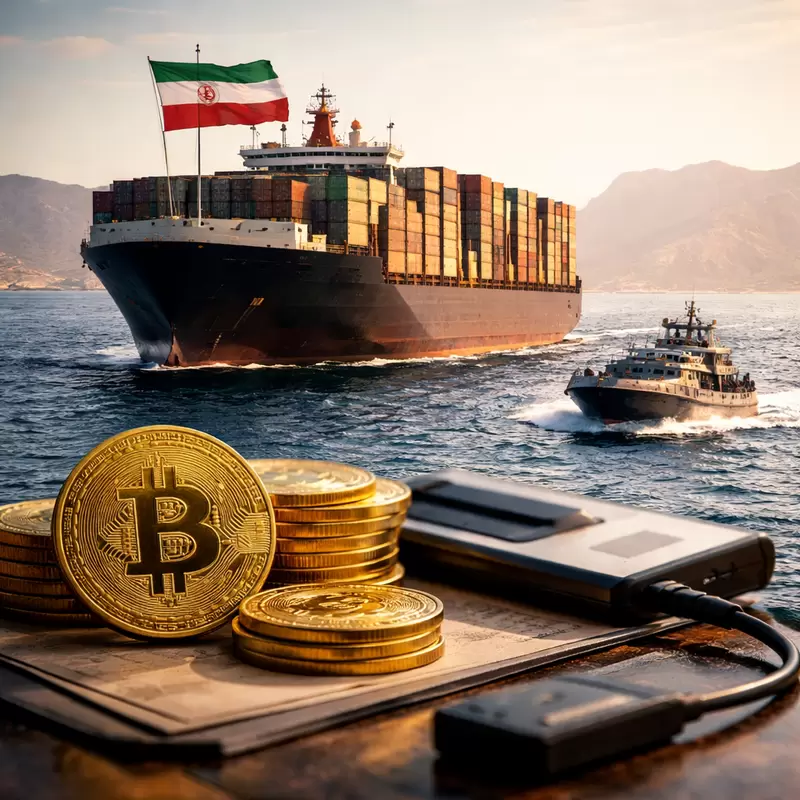
▲ Iran, Strait of Hormuz, Bitcoin (BTC)/AI generated image
A new type of scam is spreading, exploiting geopolitical tensions in the Strait of Hormuz to impersonate Iranian authorities and extort cryptocurrency.
Cryptocurrency media outlet Cointelegraph reported on April 21 that there is an increasing number of cases where scam organizations target ships delayed in operation near the strait, demanding funds. They impersonate Iranian authorities and commit crimes by demanding fees for the safe passage or protection of vessels. This method cleverly exploits the unstable political situation and maritime security concerns in the Middle East.
Scammers primarily target shipowners and operators of vessels that are waiting or experiencing delays near the Strait of Hormuz. They send forged official documents and emails conveying false information that the ship has violated Iranian territorial waters or requires protective measures, then demand fines or protection fees. In most cases, cryptocurrencies such as Bitcoin (BTC) are specified as the payment method. The nature of cryptocurrencies, making them difficult to trace and allowing immediate transfers, is being exploited for criminal activities. The demanded amounts are reportedly tens of thousands to hundreds of thousands of dollars.
Maritime security experts warn that this scam is highly sophisticated. It meticulously mimics the terminology and document formats used by the actual Iranian Navy or port authorities to enhance credibility, leading to an increase in cases where ship operators in urgent situations decide to transfer funds without fully verifying authenticity. The Strait of Hormuz is a critical choke point for global oil transportation, and operational delays immediately result in significant economic losses. This pressure is identified as a major factor contributing to the scale of the scam's damage.
This case demonstrates that cryptocurrency is being used as a new tool for maritime crime. Criminal methods, which previously relied on cash or bank transfers, are rapidly shifting towards digital assets. The International Maritime Organization (IMO) and governments worldwide recommend that ship operators immediately report any demands for cryptocurrency. It was also repeatedly emphasized that official agencies do not demand fines or fees in cryptocurrency.
Digital crimes exploiting geopolitical conflicts are likely to become even more sophisticated in the future. There is a call for the shipping industry to strengthen security protocols and expand training on how to respond to cryptocurrency-based scam types. At the same time, institutional improvements and international cooperation to enhance the transparency of the virtual asset market are also emerging as essential tasks.
*Disclaimer: This article is for investment reference only, and we are not responsible for any investment losses based on it. This content should be interpreted for informational purposes only.*
Newsletter
Get key news delivered to your email every morning
to leave a comment.