
to leave a comment.
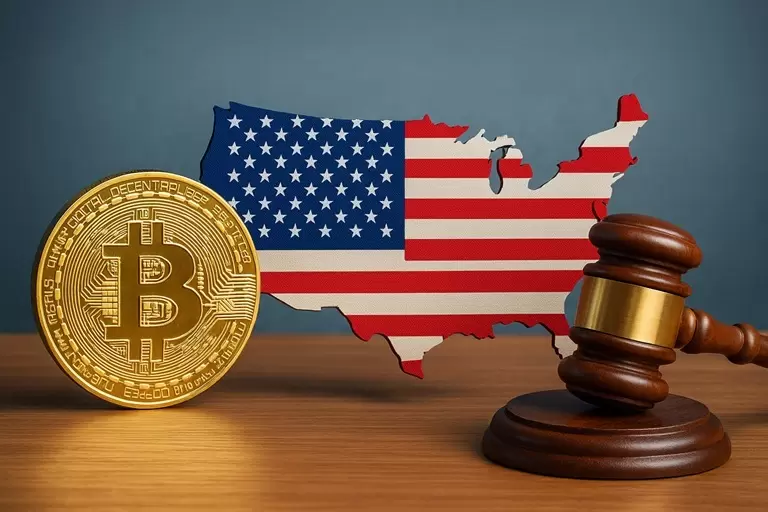
▲ Bitcoin (BTC) Regulation/ChatGPT Generated Image
The traditional financial sector is deliberately employing delaying tactics to postpone the introduction of virtual asset regulations. However, the strong will of the executive branch and Congress is clashing, leading to fierce debate over regulatory leadership.
Bill Hughes, Global Head of Regulatory Affairs at Consensys, analyzed in an interview with the crypto-focused YouTube channel Paul Barron Network on April 26 (local time) that traditional banks are using procedural means to delay the finalization of regulatory guidelines. Hughes pointed out that banks have requested a halt to rule-making by other agencies until the Office of the Comptroller of the Currency (OCC) issues its final rules. There is concern that if this request is accepted, the implementation of the stablecoin regulation act GENIUS could be pushed back to late 2026 or even 2027. Fortunately, the Treasury Department currently maintains a negative stance on the banking sector's request for an extension, so there is still a possibility that the regulatory schedule will proceed as planned.
There is also a risk that the OCC's policy direction could narrow the legislative intent of Congress. The OCC has indicated the possibility of expanding the scope of the stablecoin profit ban to include reward programs or third-party affiliate services. Hughes warned that the OCC's framework could act as a regulatory ceiling for other agencies, hindering industrial innovation. Attempts by regulators to interpret congressional legislation more narrowly than intended could suppress the growth of the virtual asset ecosystem.
The U.S. crypto market structure bill (CLARITY) and the GENIUS Act are on different paths but are closely linked in the legislative environment. Banking interest groups are employing tactics to block or delay both bills. In contrast, U.S. President Donald Trump has influenced legislative negotiations with a message that Americans should earn more returns on their assets. Treasury Secretary nominee Scott Bessent also evaluated the bill as a national security priority, stating that stablecoins contribute to dollar hegemony and demand for U.S. Treasury bonds. The Trump administration is also expanding its influence in the virtual asset sector through actions such as freezing Iran-related funds.
The Senate Finance Committee aims to process the bill by mid-May. There is a possibility that the Republican majority may push for a markup despite Democratic opposition. Hughes stated that they are targeting a full Senate vote before the August recess. The fate of the virtual asset market, including Bitcoin (BTC), is expected to be determined by the success or failure of this bill to become law. Even if the bill fails to pass this year, market clarity is expected to gradually improve through the Treasury Department's rule-making process and the Securities and Exchange Commission's (SEC) innovation exemption clauses.
Despite obstruction from the banking sector, the virtual asset industry continues its efforts to enter the federal regulatory framework. As the White House and the Treasury Department prefer a negotiated solution, a foundation is expected to be laid for virtual asset companies to innovate safely. The regulatory battle between traditional finance and virtual assets has now entered its final stage. The market is preparing for a new era of expansion by securing regulatory clarity.
*Disclaimer: This article is for investment reference only, and we are not responsible for any investment losses based on it. The content should be interpreted for informational purposes only.*
Newsletter
Get key news delivered to your email every morning
to leave a comment.