
to leave a comment.
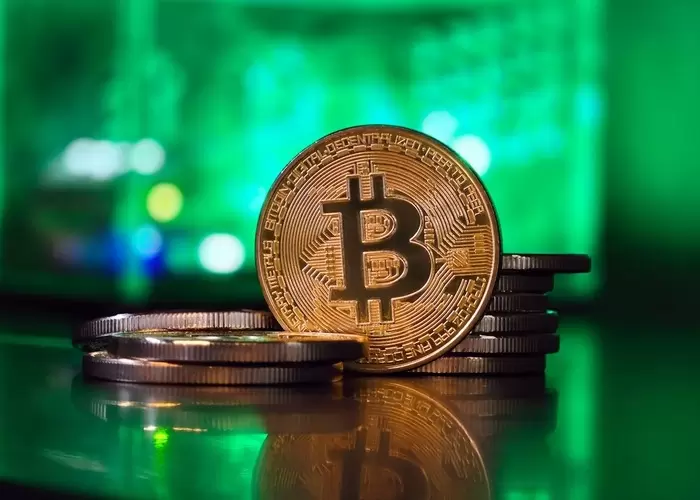
▲ Bitcoin (BTC) ©Go Da-sol
Amidst the clash between blind faith in Bitcoin (BTC), the leading virtual asset, as a perfect currency, and fierce criticism of it as a massive Ponzi scheme, US regulatory authorities are accelerating the establishment of clear standards through legislation, defining it as a commodity.
According to cryptocurrency media Watcher.Guru on April 29 (local time), actor Ben McKenzie, promoting his new documentary 'Everyone Is Lying to You For Money,' strongly criticized the entire virtual asset industry as a modern Ponzi scheme based on lies.
In a recent interview, McKenzie claimed that billionaire Jeffrey Epstein identified the existence of Bitcoin and was deeply involved before 90% of the public knew about it. He highlighted the dark side of Bitcoin, stating that Epstein funded its early development through donations to the Massachusetts Institute of Technology (MIT) Media Lab and also provided funds to the famous virtual asset exchange Coinbase.
On the other hand, the perspective of Jack Dorsey, founder of X (formerly Twitter) and Block, is diametrically opposite. Dorsey, a prominent Bitcoin advocate, is convinced that Bitcoin functions as actual money, beyond being a mere store of value. His fintech company Block is also focusing its entire corporate capabilities on building Bitcoin and blockchain infrastructure.
However, the positions of the U.S. Securities and Exchange Commission (SEC) and the Commodity Futures Trading Commission (CFTC) diverge from the extreme views of McKenzie or Dorsey. The two regulatory bodies recently agreed that Bitcoin is closer to a digital asset, or commodity, rather than a security, drawing a line in the sand regarding the exhaustive debate.
Furthermore, the U.S. political sphere is expected to completely remove regulatory uncertainty through the Clarity Act, the U.S. cryptocurrency market structure bill highly likely to pass by the end of next month. This bill is anticipated to serve as an institutional safeguard, raising public awareness and controlling potential risks in the virtual asset industry by firmly establishing Bitcoin's non-security and commodity status.
*Disclaimer: This article is for investment reference only, and we are not responsible for investment losses based on it. The content should be interpreted for informational purposes only.*
Newsletter
Get key news delivered to your email every morning
to leave a comment.