
to leave a comment.
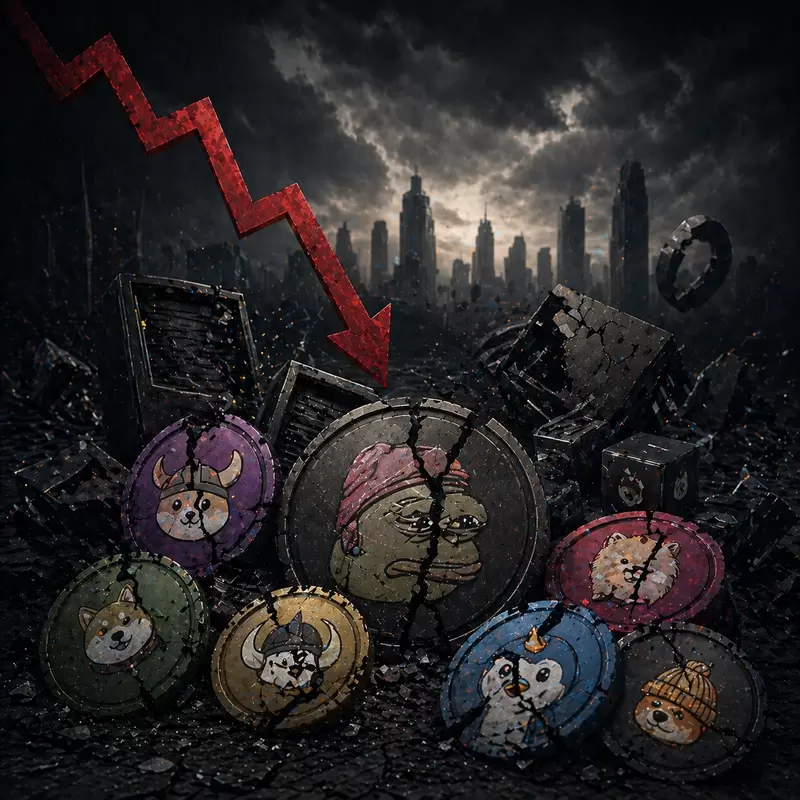
▲ Cryptocurrency decline, virtual asset projects/ AI generated image
Virtual asset projects are successively choosing to shut down as their token fundraising capabilities weaken and they encounter fragmented structural limitations.
According to a report by virtual asset specialized media outlet Cointelegraph on April 28 (local time), a wave of closures is sweeping across the virtual asset industry this year. Projects in various sectors, from trading platforms to analytical tools, are being affected. In April, decentralized email service Dmail announced the suspension of its operations due to high infrastructure costs and failed fundraising. This is a result of the weakening utility of tokens, which prevented the creation of a sustainable structure.
In past bull markets, businesses could extend their lifespans through new token issuances or venture capital support. However, these avenues are virtually blocked now. Roshan Dharia, a virtual asset restructuring advisor and CEO of Echo Base, stated, "Unlike in the past, an increasing number of projects are choosing closure over recovery." While virtual assets have established a system for quickly raising capital through tokens, the framework for resolving issues when they arise is still lacking.
Recent closures tend to be a gradual decline rather than a sudden collapse, as seen in the past. It's a process where options narrow as user activity decreases and treasury assets weaken. DAO (Decentralized Autonomous Organization) tooling platform Tally decided to wind down its business when the governance tool market did not grow as expected. Step Finance also decided to cease operations after failing to secure funding following a hack.
Projects have primarily used tokens as a means of fundraising. However, structural flaws, where token holders lack clear rights, are becoming apparent in crisis situations. Risk Labs determined that token and DAO structures have limitations in concluding transactions with corporations or institutions. Therefore, they even proposed a buyout plan to convert tokens into equity. This is interpreted as an attempt to overcome the limitations faced by the virtual asset model.
Most virtual asset projects lack a clear recovery path when they face financial difficulties. Unlike traditional corporate bankruptcy procedures, there is a lack of legal mechanisms to negotiate with creditors or restructure capital. Token holders often do not have formal claims on assets or cash flows. This is why tightening liquidity often leads to asset sales or closures rather than cooperative recovery.
The virtual asset market is currently experiencing the limitations of token-based governance models and is seeking change. Some projects have begun exploring ways to consolidate ownership and introduce more formal structures. The process of projects with low capital availability and weak fundamental strength being eliminated is considered growing pains for a maturing market. The wave of closures is expected to continue for the time being unless new frameworks are established to overcome structural flaws.
*Disclaimer: This article is for investment reference only, and we are not responsible for any investment losses based on it. The content should be interpreted for informational purposes only.*
Newsletter
Get key news delivered to your email every morning
to leave a comment.