
to leave a comment.
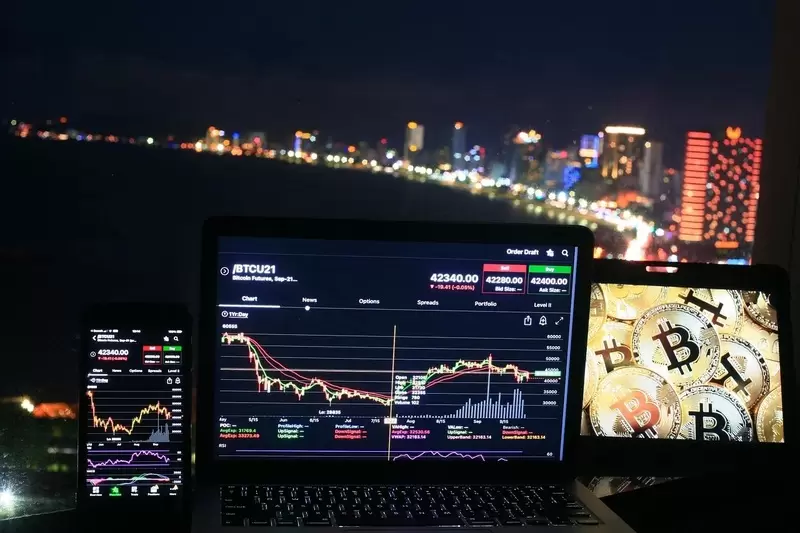
▲ Virtual Asset Trading
The stock and cryptocurrency markets have already passed through an invisible downturn. The current pessimistic sentiment and short-selling positions indicate signs of a market bottom, not a peak.
According to crypto media outlet BeInCrypto on May 3 (local time), Fundstrat co-founder Tom Lee analyzed through his research channel that software stocks and cryptocurrencies have already experienced a deep decline. Lee explained that short-selling positions have surged to levels previously seen only at the peak of past bear markets. He also interpreted the divergence where investor sentiment became defensive while market indicators stabilized not as the beginning of a decline, but as a precursor to a rebound.
Lee's judgment is that the current financial pressure is merely a typical credit cycle, not a systemic collapse like in 2008. Lee diagnosed that the recent tightening in the private credit market is just part of the credit cycle, and large banks can prosper sufficiently within this cyclical structure. He also added that historically, markets have moved in directions that cause the most pain to the most investors.
Raoul Pal, founder of Real Vision, also supported the optimistic view, defining the current situation not as a market peak but as a mid-cycle adjustment. Pal cited global money supply (M2) reaching an all-time high and the depreciation of the dollar as key grounds. He also presented improving US Institute for Supply Management (ISM) indices and an upward shift in the US liquidity environment as positive indicators.
The cryptocurrency Fear & Greed Index staying below 10 for the longest period ever is interpreted as a sign of reversal, not trend continuation. Pal explained that artificial intelligence (AI) and tokenization technology are strengthening the structural value of blockchain. He analyzed that payment networks and on-chain settlement infrastructure, which AI agents will use on a large scale, will attract funds to Bitcoin (BTC) and Ethereum (ETH).
The future direction of the market depends on the speed of liquidity expansion and how quickly investor sentiment catches up with actual data. When macroeconomic pressures ease, asset prices are likely to rise sharply, closing the gap between indicators and sentiment. Experts are calling for strategic responses, noting that the market's intrinsic data is already sending recovery signals.
*Disclaimer: This article is for investment reference only, and we are not responsible for any investment losses based on it. The content should be interpreted for informational purposes only.*
Newsletter
Get key news delivered to your email every morning
to leave a comment.