
to leave a comment.
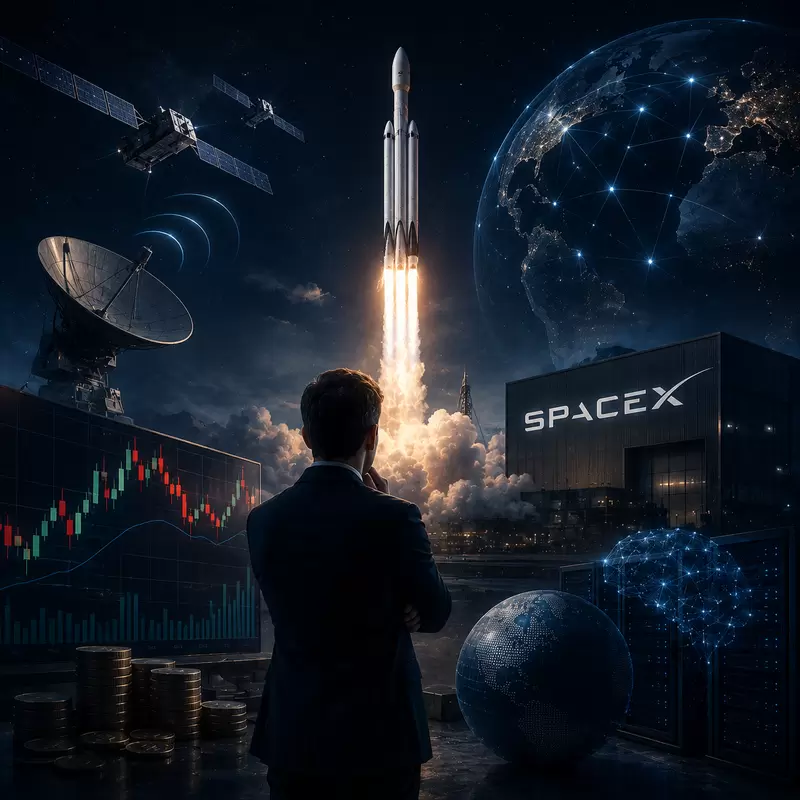
▲ SpaceX (SpaceX, SPCX), rocket, satellite internet, artificial intelligence (AI)/AI generated image
SpaceX (SpaceX, SPCX) is attracting investor interest with its three growth pillars: rockets, satellite internet, and artificial intelligence (AI). However, an analysis suggests that the stock price burden and massive expenditure risks are too significant to buy right now. Amid sharp fluctuations in the stock price during the initial listing period, new buyers are advised to wait, and existing holders should consider long-term retention rather than hasty selling.
According to Nasdaq on July 2 (local time), Chris Neiger of The Motley Fool evaluated SpaceX stock by saying, “It's better not to buy now.” He acknowledged that SpaceX is an attractive company with advanced rocket technology, a rapidly growing satellite internet business, and an artificial intelligence business. However, he pointed out that the stock premium is excessively high and the scale of expenditure is too large to consider it a long-term investment target immediately.
The biggest burden is capital expenditure (CAPEX). SpaceX's capital expenditure for 2025 was $20.7 billion, and it is projected to significantly exceed that amount this year. The company has already injected $10 billion into capital expenditure in Q1 2026 alone. The article explained that SpaceX is expanding its AI data centers to power the Grok chatbot and lease data center capacity to external companies, with AI investment emerging as a major expenditure item.
The problem is that these expenditures are unlikely to yield profits in the short term. The market's expectations for AI investment have recently become stricter, and questions have grown about whether the massive costs can be converted into actual revenue. SpaceX is described as not yet expected to secure short-term profitability. Furthermore, its price-to-sales ratio (PSR) is 111 times, significantly exceeding the technology sector's average of 9 times. The article evaluated that the combination of expensive stock, large-scale expenditures, and lack of profits diminishes its long-term investment appeal.
However, the advice was also given that investors who already hold SpaceX shares have no strong reason to sell hastily now. SpaceX's stock started at $150 on its IPO day, initially rose to $225, and then fell to about $169 per share at the time of writing. Neiger explained that quickly buying and selling highly volatile stocks immediately after listing is closer to short-term trading than investing, and long-term investors should plan to hold for at least 5 years and monitor the company's execution of its long-term strategy.
The conclusion is closer to 'wait and see' than 'buy'. If SpaceX can execute major goals such as building space data centers, existing shareholders have room to observe the results over time. However, for investors who have not yet pressed the buy button, it is better to approach after first confirming how the company manages its expenditures and losses.
[Article Key Summary]
-An analysis suggests that while SpaceX has rocket, satellite internet, and AI businesses, the current stock price and expenditure burden are high, requiring caution for new purchases.
-Capital expenditure for 2025 was $20.7 billion, with $10 billion already invested in Q1 2026 alone. The price-to-sales ratio is 111 times, significantly exceeding the technology sector average of 9 times.
-Existing holders can observe the execution of long-term strategies rather than hasty selling amid short-term volatility, but new investors are advised to verify expenditure and loss management.
*Disclaimer: This article is for investment reference only, and we are not responsible for any investment losses based on it. The content should be interpreted for informational purposes only.*
Newsletter
Get key news delivered to your email every morning
to leave a comment.