
to leave a comment.
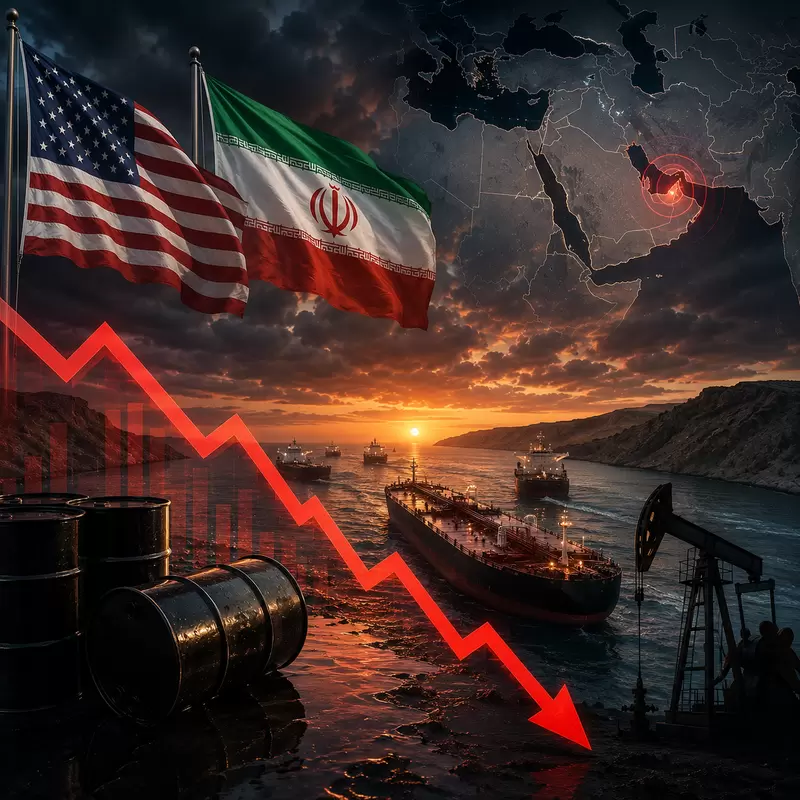
▲ US, Iran, Strait of Hormuz, Crude oil/AI generated image
Despite the possibility of renewed tensions between the US and Iran, Brent crude is projected to fall to $60 per barrel by the end of the year. Consequently, the normalization of supply and the continuation of the ceasefire have emerged as key variables determining oil prices, rather than Middle East risks.
According to market intelligence firm Benzinga on July 3 (local time), Citi analysts analyzed that the memorandum of understanding signed between the US and Iran in mid-June is likely to be maintained despite temporary clashes. They believe that both sides lack incentives to break the agreement, and war fatigue is also evident.
Citi advised using any summer oil price rebound as a selling opportunity. Brent crude is expected to drop to a range of $60 to $65 per barrel by year-end. This puts more weight on the recovery of oil flow and the easing of tensions potentially pushing prices down, rather than short-term geopolitical instability.
The volume of crude oil transported through the Strait of Hormuz also showed signs of recovery. The report pointed out that crude oil shipments through the strait increased to 7 million barrels per day. While this is short of the 15 million barrels per day before the conflict, considering that some vessels operate with their location transmitters turned off for security reasons, the actual volume could be higher than official figures.
Other investment banks have also lowered their oil price forecasts. Morgan Stanley (MS) lowered its Q4 Brent crude forecast from $80 to $75 per barrel. Its target for the end of 2027 was also reduced from $80 to $70. The reason cited was that tanker flows through the Strait of Hormuz are returning to pre-conflict levels.
Goldman Sachs also adjusted its forecasts. Goldman Sachs expects the average price of Brent crude to be $80 per barrel in Q4 2026 and $75 per barrel in 2027. Western Texas Intermediate (WTI) forecasts were presented as $75 and $70 respectively. Persian Gulf oil exports are expected to recover to pre-war levels by the end of July, one month earlier than previously anticipated.
However, the variable of the Strait of Hormuz has not completely disappeared. Kazem Gharibabadi, Iran's Deputy Minister for Legal and International Affairs, stated after the US Central Command (CENTCOM) security meeting in Bahrain that the Strait of Hormuz is under Tehran's control. The core of Citi's forecast is that Middle East tensions will remain a short-term flare-up, and the recovery of oil supply will lead to downward price pressure.
[Article Summary]
-Citi projected that Brent crude could fall to $60-$65 per barrel by year-end, with the ceasefire trend maintained despite potential temporary clashes between the US and Iran.
-Crude oil transport volume through the Strait of Hormuz recovered to 7 million barrels per day, and analysis suggests the actual volume could be higher than official figures.
-Morgan Stanley and Goldman Sachs also lowered their Brent crude and WTI forecasts based on the recovery of oil flow.
*Disclaimer: This article is for investment reference only, and we are not responsible for any investment losses incurred based on it. The content should be interpreted for informational purposes only.*
Newsletter
Get key news delivered to your email every morning
to leave a comment.