
to leave a comment.
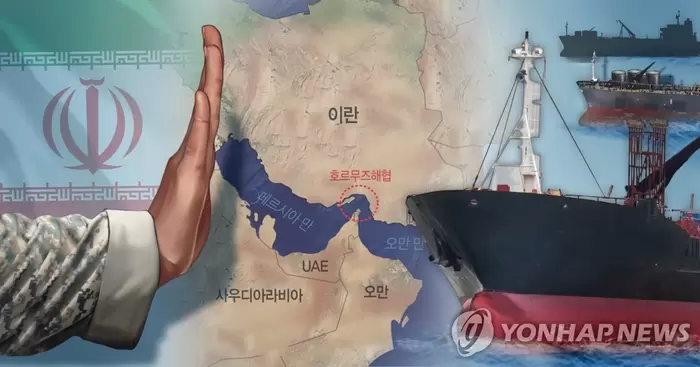
Iran Strait of Hormuz Blockade (PG)
Despite the ceasefire announcement between the US and Iran, Korean shipping companies with ships stuck in the Strait of Hormuz are maintaining a cautious stance on passage.
An official from the Ministry of Oceans and Fisheries said on the 9th, "All shipping companies are in a state of confusion," adding, "Since there is nothing definitive regarding free passage, they are reluctant to move."
Following suggestions from shipping companies, the Ministry of Oceans and Fisheries has requested related ministries, including the Ministry of Foreign Affairs, to collect information related to the current situation.
Indeed, ship tracking sites show that maritime traffic in the Strait of Hormuz remains similar to before the truce.
According to the Ministry of Oceans and Fisheries, during the war, about five ships per day passed through the Strait of Hormuz.
Most of these were ships whose owners, shipping companies, or registrations were associated with countries friendly to Iran, such as China.
On the 8th, the first day of the truce agreement, two ships registered in Greece and Liberia passed through the Strait of Hormuz, and these were also reported to be vessels associated with friendly nations.
An official from the Ministry of Oceans and Fisheries stated, "The number of ships passing through the Strait of Hormuz is similar to during the war," adding, "It appears that not only our country but also other nations are hesitant to move their ships."
As the opening of the Strait of Hormuz remains uncertain, the waiting period for ships is expected to lengthen.
There are 26 South Korean-flagged vessels and 173 crew members stranded inside the strait.
Based on domestic refiners as cargo owners, a total of 7 oil tankers are waiting. Among these, 4 are Korean-flagged shipping companies. Approximately 14 million barrels of crude oil are loaded on them.
Newsletter
Get key news delivered to your email every morning
to leave a comment.