
to leave a comment.
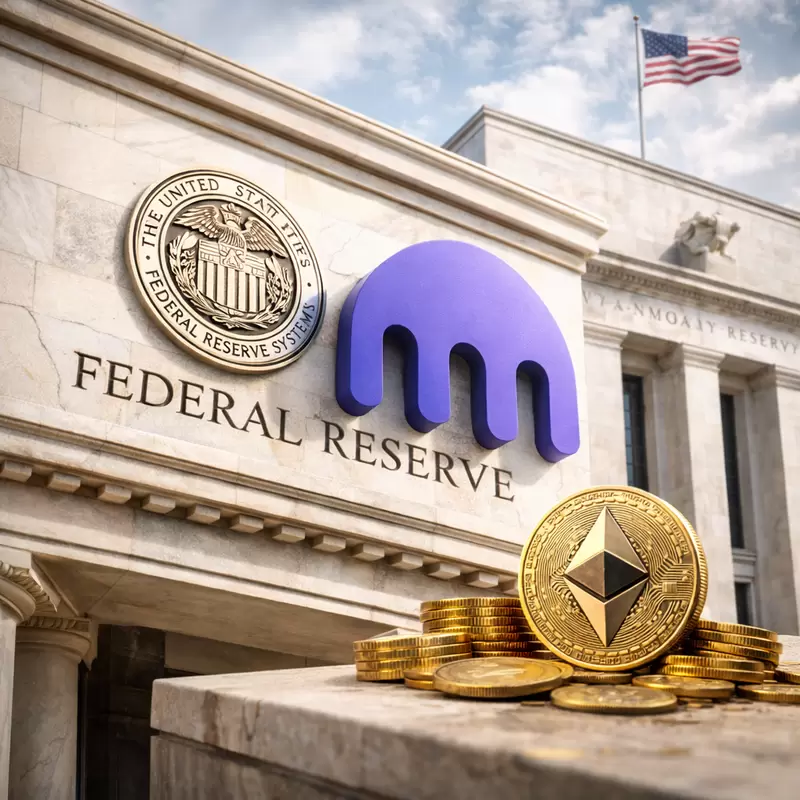
▲ Federal Reserve (Fed), Kraken, Ethereum (ETH), Virtual Assets / ChatGPT Generated Image
Cryptocurrency exchange Kraken has achieved a historic milestone by directly entering the core payment network of the Federal Reserve Bank of Kansas City.
According to Reuters on April 9 (local time), the Federal Reserve Bank of Kansas City approved the opening of a one-year master account for Kraken Financial, the banking arm of cryptocurrency exchange Kraken. This approval grants Kraken the authority to perform real-time fund transfers using the Fed's payment systems, such as Fedwire, without going through an intermediary bank. Kraken operates a full-reserve model, holding 100% of customer deposits in cash, based on its SPDI license from Wyoming.
The Federal Reserve classified Kraken as a Tier 3 institution not covered by federal deposit insurance and conducted a rigorous review. While Fed Governor Michelle Bowman had previously expressed a negative stance on approving accounts for uninsured institutions, this decision largely serves as a test for the institutional integration of the virtual asset industry. Kraken continuously engaged in close consultation with regulatory authorities for over five years to secure the master account, demonstrating strict risk management capabilities.
Traditional banking circles immediately expressed opposition to the Fed's action, raising concerns about the stability of the financial system. The ABA and BPI criticized the Fed for granting approval before establishing a clear policy framework. They argued that the entry of virtual asset companies could pose unexpected risks to existing financial infrastructure and undermine consumer protection, citing a lack of transparency in the approval process.
Pressure is also mounting from the political sphere, demanding transparency in this approval process. Representative Maxine Waters, Chair of the House Financial Services Committee, sent a letter to the Kansas City Fed requesting the disclosure of detailed restrictions and risk management measures for this action. Rep. Waters urged a transparent response regarding the approval decision by April 10, emphasizing that granting access to financial infrastructure must be supported by very cautious legal grounds.
This decision, coupled with the passage of the GENIUS Act, a stablecoin regulation bill for the virtual asset market structure, is expected to serve as a catalyst for accelerating the integration of digital assets and traditional finance. As a regulatory environment favorable to virtual assets is created, other major exchanges are also likely to actively attempt to enter the banking sector. Kraken's master account operation case is expected to become an important benchmark for virtual asset companies seeking to enter the institutional banking sector in the future.
*Disclaimer: This article is for investment reference only, and we are not responsible for any investment losses based on it. The content should be interpreted for informational purposes only.*
Newsletter
Get key news delivered to your email every morning
to leave a comment.