
to leave a comment.
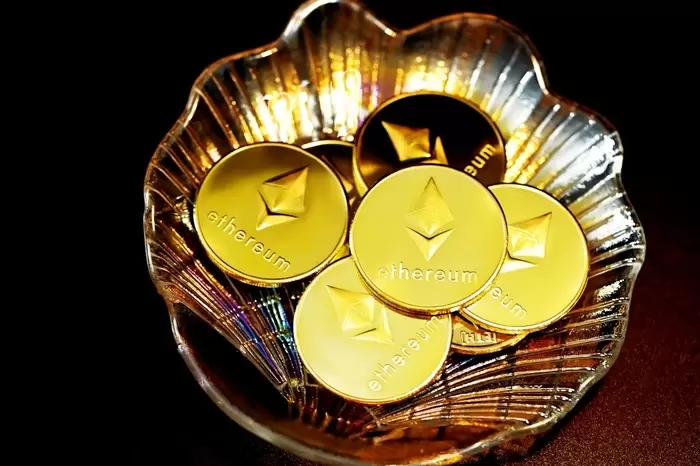
▲ Ethereum (ETH)
Amidst the volatility of the virtual asset market, companies are employing sophisticated capital efficiency strategies, going beyond simple asset purchases to secure Ethereum (Ethereum, ETH) at a discounted price through share buybacks.
Crypto specialized media Benzinga reported on April 10 (local time) that BitMine Immersion Technologies, Inc. (hereinafter BitMine), led by Tom Lee, announced a large-scale share buyback plan worth $4 billion. BitMine made this decision based on the judgment that buying back its own shares is reasonable when the stock price trades below its intrinsic value. This move is interpreted as a strategic choice to re-evaluate the value of Ethereum held by the company in the market, going beyond simple shareholder returns.
An analysis of BitMine's financial statements estimates that the current value of Ethereum assets held by the company is over $10 billion, but the company's total market capitalization remains between $9 billion and $10 billion. This creates an anomaly where the company's value trades at a level lower than or similar to the value of its held asset, Ethereum. In this situation, buying back shares provides the effect of significantly expanding exposure to Ethereum at a much lower cost than buying Ethereum directly in the market.
Investors are now weighing the profitability between buying Ethereum directly and buying BitMine shares. While buying Ethereum directly provides an honest exposure linked one-to-one with the asset's value, acquiring BitMine shares effectively secures Ethereum at a discounted price. BitMine's stock price has fallen by over 30% this year, further increasing the price attractiveness of indirect ownership through shares.
Benzinga evaluated BitMine's recent action as indicative of companies in the virtual asset market entering a more intelligent and selective phase in their fund management. Instead of unconditionally acquiring assets directly as in the past, they are seeking paths to maximize capital efficiency. While the demand for Ethereum itself has not disappeared, investment methods are becoming more sophisticated, strengthening the trend of seizing derivative opportunities to buy assets at a discount rather than buying the assets themselves.
Ultimately, BitMine's share buyback has become a symbolic case demonstrating how virtual asset-focused companies efficiently reallocate capital in a downturn. When the market does not fully reflect the value of an asset, companies themselves are aiming for a double effect: bridging that gap and defending value while simultaneously increasing their asset holdings. Investment experts predict that these corporate actions could secure downward rigidity in the Ethereum market in the future and serve as a foundation for long-term value appreciation.
*Disclaimer: This article is for investment reference only, and we are not responsible for any investment losses based on it. The content should be interpreted for informational purposes only.*
Newsletter
Get key news delivered to your email every morning
to leave a comment.