
to leave a comment.
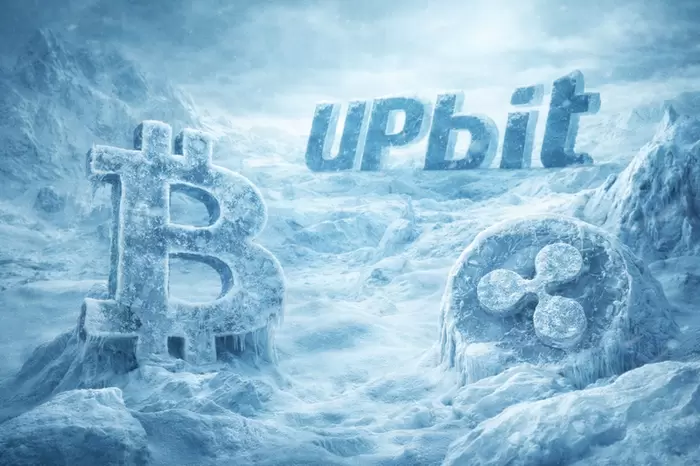
▲ Upbit...Major altcoins like Bitcoin, XRP plummet/AI generated image ©
The domestic virtual asset market, which had been showing a strong wait-and-see attitude in anticipation of easing geopolitical tensions in the Middle East, reacted violently to the news of the breakdown of peace talks between the US and Iran, plunging across the board. As the path to peace was blocked and the fear of armed conflict loomed again, investors' sell-offs poured out, leaving the entire market in a state of panic.
According to Upbit, a domestic virtual asset exchange, as of 10:46 AM on April 12, the leading cryptocurrency Bitcoin (BTC) plummeted 1.63% from the previous day, trading at 106,798,000 won, completely falling below the 110 million won mark. Ethereum (ETH), the second-largest by market capitalization, also fell 2.33% to 3,313,000 won, while XRP (Ripple) dropped 1.34% to 1,987 won, and Solana (SOL) decreased 2.22% to 123,300 won. The Upbit Composite Index, which reflects the overall market trend, also fell 1.55%, fully reflecting the general contraction of investor sentiment.
The negative news that poured cold water on the market was the breakdown of marathon negotiations reported from Islamabad, Pakistan. U.S. Vice President JD Vance, who was leading talks with the Iranian delegation, officially announced in a press interview that he was returning to the United States without an agreement, stating that they ultimately failed to narrow differences on key issues such as the opening of the Strait of Hormuz and a ceasefire in Lebanon.
Following a grueling 14-hour overnight meeting the previous day, additional negotiations also ended empty-handed, turning the market's anticipation for a dramatic resolution into a fierce selling storm. In a highly volatile situation, where the entry of U.S. Navy destroyers into the Strait of Hormuz coincided with Iran's strong warnings of military response, the closure of diplomatic channels for resolution led to extreme risk aversion engulfing the market.
The future outlook also appears to be trapped under a cloud of geopolitical uncertainty, making extreme market volatility inevitable for the time being. Experts warn that if the Middle East crisis escalates and investor panic selling continues, major support levels could collapse, leading to further chain reactions of declines. For now, rather than aggressive dip buying, it is crucial to calmly observe the situation and implement conservative risk management, such as increasing cash holdings.
*Disclaimer: This article is for investment reference only, and we are not responsible for any investment losses based on it. The content should be interpreted for informational purposes only.*
Newsletter
Get key news delivered to your email every morning
to leave a comment.