
to leave a comment.
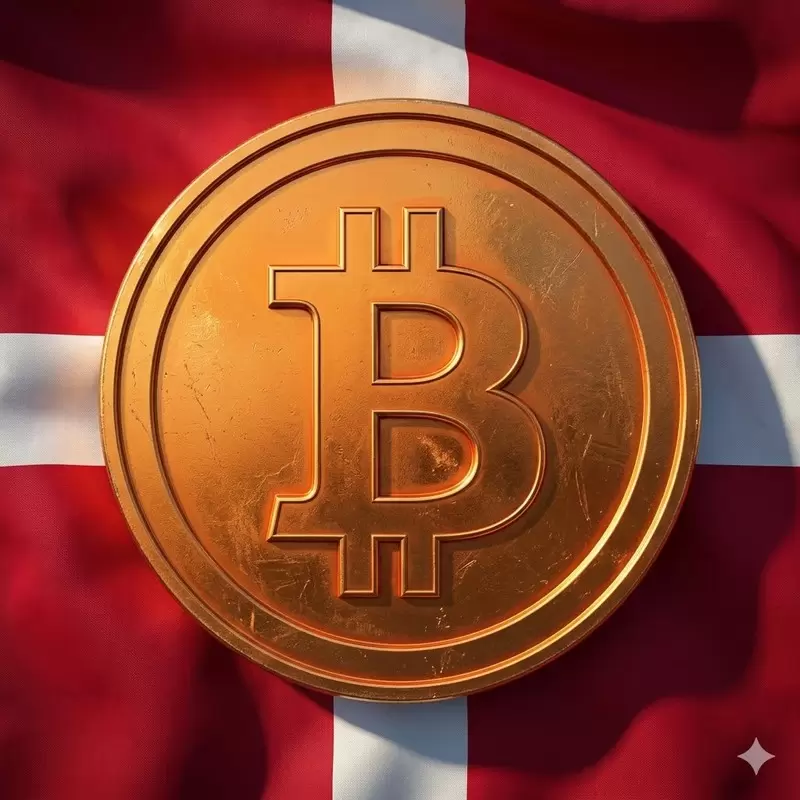
▲ Denmark, Bitcoin (BTC)/AI generated image
Denmark's cryptocurrency ownership rate recorded the lowest level in Europe at 4%, contrasting with the high trust in its traditional financial system.
According to Bitcoinist, a cryptocurrency specialized media outlet, on April 16 (local time), Denmark's cryptocurrency ownership rate was found to be the lowest among European countries. A recently published report showed that only 4% of the Danish population held digital assets, including Bitcoin (BTC). This is a significantly lower figure compared to neighboring countries like Norway and the Netherlands, where ownership rates are in double digits.
The slow adoption of cryptocurrencies in the Danish market is attributed to its robust traditional financial system and strong confidence in its national currency. Danish citizens highly value the stability of local banking services and fiat currency, thus feeling little need to use cryptocurrencies as alternative investment tools or payment methods. Economic stability acts as a factor suppressing demand for volatile assets like cryptocurrencies.
The regulatory environment is also one of the factors hindering the spread of cryptocurrencies. The Danish Financial Supervisory Authority maintains strict standards for cryptocurrency investments and continuously issues warnings to protect investors. The absence of tax benefits and complex reporting procedures also act as obstacles for individual investors entering the market. Institutional investor participation is also more cautious compared to other developed countries.
While the introduction of MiCA, a cryptocurrency-related regulation, is becoming visible across Europe, Denmark's conservative investment sentiment is expected to persist for the time being. There is a strong tendency to view cryptocurrencies as speculative assets, leading to a stagnation in new fund inflows. Danmarks Nationalbank (the Danish Central Bank) maintains a cautious stance on the introduction of digital currency and is closely monitoring market changes.
Denmark's virtual asset market shows limited growth under the shadow of its mature traditional finance. A unique Danish financial ecosystem has formed, somewhat detached from the explosive upward trend of the global market. A key point to watch in the future is whether common regulations at the European Union level can inject dynamism into the market.
*Disclaimer: This article is for investment reference only, and we are not responsible for investment losses based on it. The content should be interpreted for informational purposes only.*
Newsletter
Get key news delivered to your email every morning
to leave a comment.