
to leave a comment.
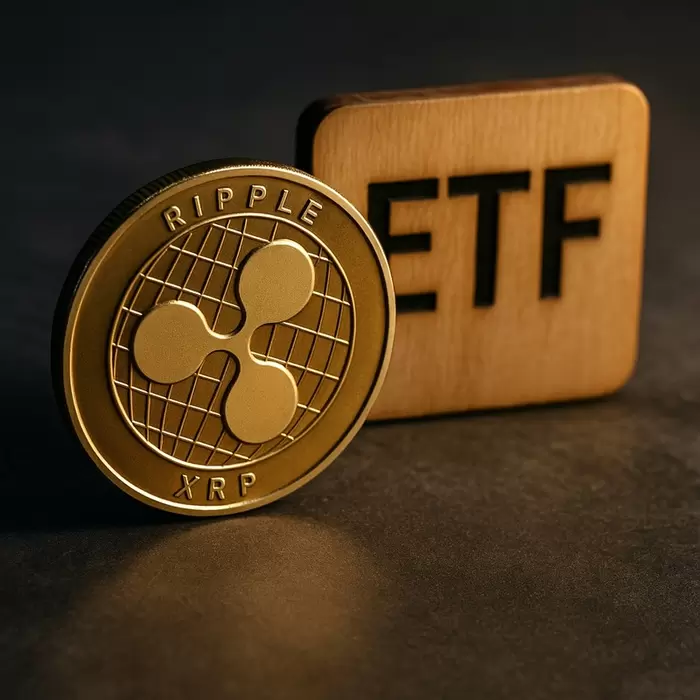
▲ XRP (XRP) ETF / ChatGPT generated image ©
The XRP ETF has overwhelmingly outperformed the Dogecoin ETF, clearly revealing where institutional funds are heading.
According to the cryptocurrency specialized media Bitcoinist on April 17 (local time), the XRP (XRP, Ripple) ETF and Dogecoin (Dogecoin, DOGE) ETF have been operating in the market for approximately six months since their approval at the same time in 2025, but the performance gap has widened more than expected. The data shows that institutional investor interest is much more focused on XRP.
Contrary to initial expectations at launch, the Dogecoin ETF saw only limited capital inflow. According to SoSoValue, the net inflow in the first month of launch was $2.16 million, and total net assets remained at $6.29 million. Inflow did not significantly increase thereafter, with the peak inflow recorded in January 2026 at $6.41 million. As of April, the total inflows were $1.34 million and $187,370, leaving total net assets at approximately $10.8 million.
In contrast, the XRP ETF showed a completely different trend. In its first month of launch, November 2025, $666.61 million flowed in, and total net assets increased to $687.81 million. Subsequently, an additional $1.17 billion flowed in during December, pushing the net asset size over $1.2 billion. Although there were some fluctuations thereafter, continuous capital inflow maintained its presence in the market.
As of April 2026, the XRP ETF had already recorded a net inflow of over $12 million, with cumulative net inflows reaching approximately $1.22 billion. Although total net assets decreased slightly compared to the beginning of the year, they remained at a high level of approximately $959 million.
Ultimately, the performance difference between the two ETFs directly reflects the difference in institutional demand. The media analyzed that while the XRP ETF secured market confidence based on steady capital inflows, the Dogecoin ETF continues to see limited activity amid lower-than-expected interest. This is considered an important indicator for gauging which assets will be reorganized around institutions in the future digital asset market.
*Disclaimer: This article is for investment reference only and does not take responsibility for investment losses based on it. The content should be interpreted for informational purposes only.*
Newsletter
Get key news delivered to your email every morning
to leave a comment.