
to leave a comment.
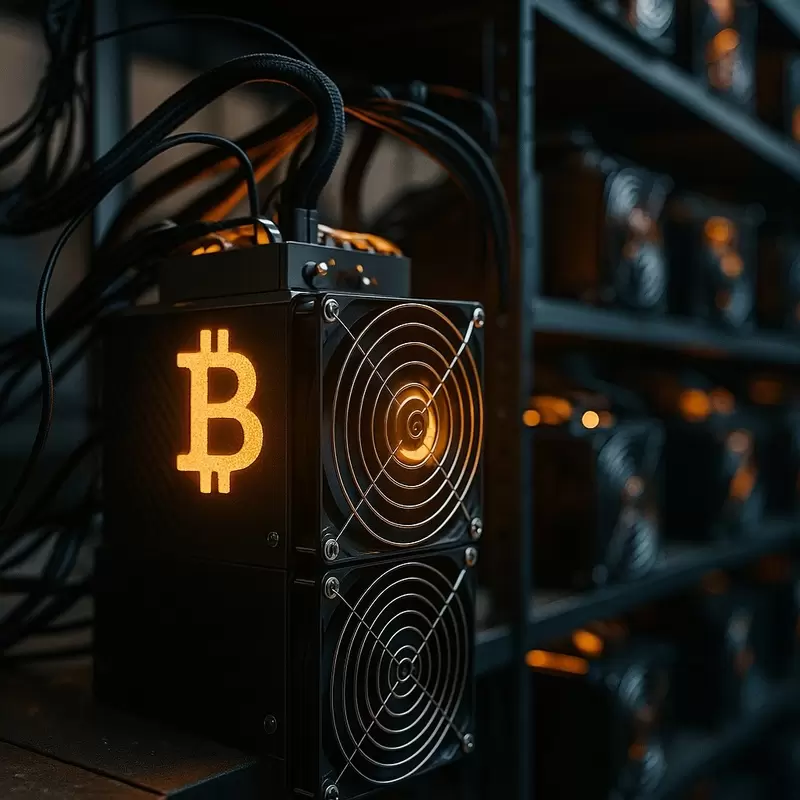
▲ Bitcoin (BTC), Mining/ChatGPT Generated Image
The Bitcoin (BTC) mining market has finally caught a breather. With the mining difficulty decreasing and profit indicators rising simultaneously, the sentiment on the ground is that this is a "short but definite recovery period."
According to cryptocurrency specialized media NewsBitcoin on the 20th (local time), Bitcoin mining difficulty was adjusted to 135.59 trillion on the 17th, a 2.43% decrease compared to the previous adjustment. This marks a reversal of the 3.87% increase seen in the previous cycle. It is the fifth downward adjustment this year. A decrease in difficulty means a reduction in the computational burden required to find blocks. For mining companies, this increases the probability of achieving results with the same equipment.
What's drawing more attention on the ground is profitability. Hashprice, a key indicator for gauging mining revenue, has risen by 13.65% in the past month. This indicator, which represents the expected daily revenue per 1 petahash (PH/s), usually moves in conjunction with Bitcoin's price trend, but this time, the simultaneous improvement with the difficulty decrease has led to a greater perceived impact. An analysis suggests that a mining industry official stated, "Although the cost structure hasn't changed significantly, it feels like a breather in terms of revenue."
However, the overall competition intensity across the network remains high. The total hashrate continues to exceed 1 zettahash (ZH/s). As computational competition is fierce, the block generation speed has also accelerated. The current average block generation interval is approximately 9 minutes and 35 seconds, which is shorter than the usual standard. While this can be seen as the network balancing itself, if this trend continues, there is a high possibility that upward pressure will increase again in the next difficulty adjustment.
On-chain activity has not fully recovered either. While transaction activity shows signs of recovery after passing through a stagnant period in 2025, the fee market remains quiet. The average fee is still around 1 satoshi per virtual byte, and the proportion of fees in the total block reward is only 0.45%. Ultimately, miner revenue still relies on block rewards and Bitcoin price.
In conclusion, the current trend is seen more as a "breather" than a "full recovery." While the positive factors of reduced difficulty and improved profitability have converged, competitive pressure is bound to continue as long as the high hashrate is maintained. The mining industry is once again raising its vigilance ahead of the next difficulty adjustment.
*Disclaimer: This article is for investment reference only, and we are not responsible for any investment losses based on it. The content should be interpreted for informational purposes only.*
Newsletter
Get key news delivered to your email every morning
to leave a comment.