
to leave a comment.
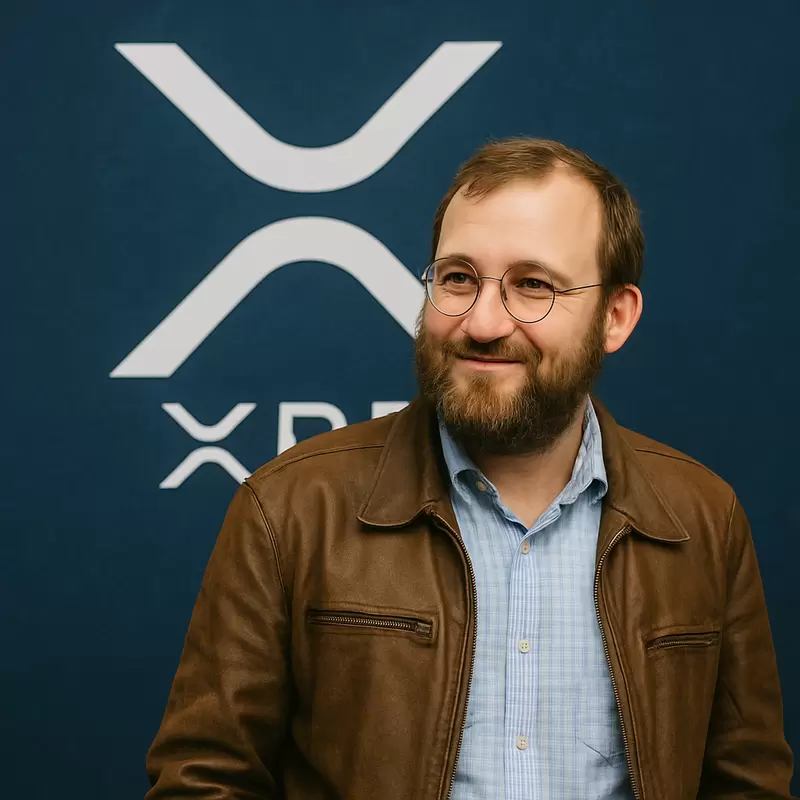
▲ Charles Hoskinson, XRP/ChatGPT generated image
Charles Hoskinson, founder of Cardano (ADA), criticized Ripple, pointing out a structural problem where XRP holders do not receive the actual benefits of the company's growth.
According to crypto media outlet The Crypto Basic on April 20 (local time), Hoskinson escalated his criticism by comparing Ripple's operational methods to Tether. He explained that Ripple holds a significant portion of the total XRP supply and uses the funds obtained from selling it to expand its prime brokerage and custodial businesses. However, he argued that the fruits of such growth accrue only to the company's shareholders, not to XRP holders.
Hoskinson identified the core problem as XRP holders not having legal rights to Ripple's assets or profits. He emphasized that Ripple's business expansion is not directly linked to an increase in token value, stating that the company's value and the token's value are separate.
He further characterized Ripple's operational method as “a structure where they raise the price, sell XRP, and then use the acquired funds to purchase new assets,” criticizing that this model does not provide real benefits to token holders. He reiterated that no matter how much Ripple grows, XRP holders cannot receive legal benefits from that growth.
The lack of a structure that naturally generates token demand within the network was also highlighted as an issue. Hoskinson mentioned the absence of staking rewards or profit-sharing mechanisms, explaining that this fundamentally differs from other blockchain projects where user participation and value creation are linked.
Referring to the past case of EOS, he warned that a similar structure could be repeated. Ripple's practice of selling large amounts of XRP into the market annually without actively implementing return policies like token buybacks was also criticized. He argued that market price increases might be temporary phenomena unrelated to the company's actual value.
Ripple and the XRP community have strongly pushed back against this, intensifying the debate. Ripple maintains that it has efficiently utilized funds for ecosystem expansion. However, the issue of separating corporate assets and token value is expected to remain a continuous point of contention regarding market transparency and trustworthiness in the future.
Among investors, there is a growing recognition that it is necessary to closely examine not just price movements, but also a project's governance structure and value distribution methods. For the digital asset market to advance to a mature stage, clearer reward systems and transparent structural establishment are required.
*Disclaimer: This article is for investment reference only, and we are not responsible for any investment losses based on it. The content should be interpreted for informational purposes only.*
Newsletter
Get key news delivered to your email every morning
to leave a comment.