
to leave a comment.
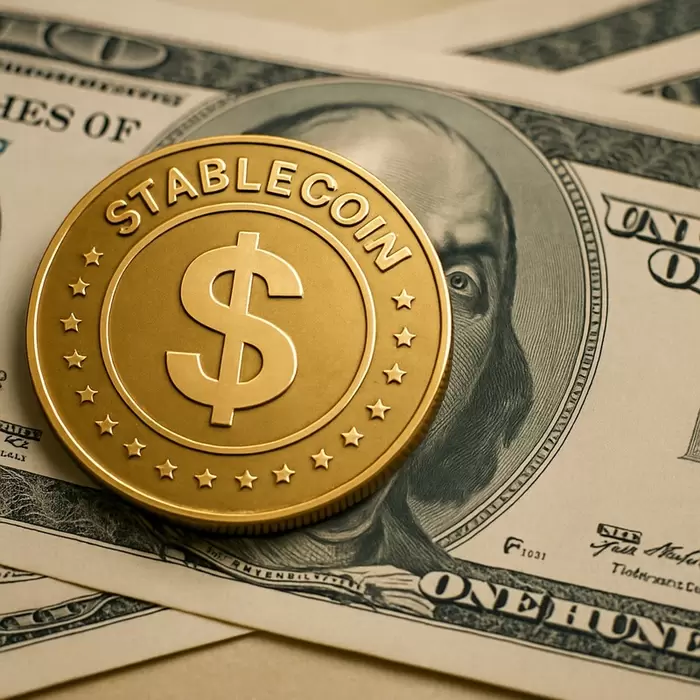
▲ Stablecoin, US Dollar (USD)/ChatGPT generated image ©
A forecast has emerged that stablecoins could replace existing card payment systems, leading to an analysis that the global payment structure itself could be overturned.
According to the investment media outlet The Motley Fool on May 2 (local time), despite the recent overall price weakness in the cryptocurrency market, stablecoin usage is rapidly increasing, and there is a growing possibility that they will become a core infrastructure in the future payment market. Blockchain-based stablecoins are cited as having their biggest strengths in providing lower fees and faster payment speeds compared to existing financial systems.
Currently, card payments can take several days for final settlement, but blockchain can process them within minutes. In particular, unlike existing systems where international remittance fees average 6.5%, stablecoins can significantly reduce these costs, making them a means to greatly improve global payment efficiency.
According to a Chainalysis report, the stablecoin transaction volume could expand from $28 trillion in 2025 to a maximum of $1,500 trillion by 2035, representing a growth rate of over 5,000%. Furthermore, there is a possibility that it could surpass the payment volumes of Visa and Mastercard between 2031 and 2039.
Behind such growth forecasts are the expansion of the cryptocurrency user base and increased merchant adoption. However, it is also pointed out that caution is needed in interpreting these forecasts, as they are analyses from companies with vested interests in the growth of the blockchain industry.
From an investment perspective, Ethereum (ETH) is considered a representative beneficiary asset. Over half of all stablecoins are issued on the Ethereum network, leading to analysis that increased usage could lead to higher network fees and price increases. Companies like Circle, which issues USD Coin (USDC), and Visa and Mastercard, which are adopting stablecoin payment systems, were also mentioned as key beneficiaries.
However, regulatory risks and system stability issues remain variables before stablecoins can replace global payment systems. Analysis suggests that if trust issues arise, similar to past collapses of some stablecoins, the rate of adoption could rapidly slow down.
*Disclaimer: This article is for investment reference only, and we are not responsible for any investment losses based on it. The content should be interpreted for informational purposes only.*
Newsletter
Get key news delivered to your email every morning
to leave a comment.