
to leave a comment.
Strengthening additional tax criteria to 20 days and ordering immediate release from bonded areas…System improvement to be finalized within the year
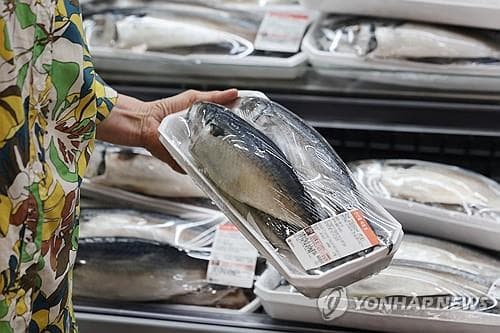
Managing distribution history for 5 types of seafood, including frozen mackerel
The government is accelerating system improvements to prevent unfair practices where imported goods, brought in with reduced tariffs, are stored in warehouses and sales are delayed until prices rise.
The policy aims to shorten the mandatory release period for sugar into the market and strengthen the tracking of distribution channels for imported seafood, ensuring that tariff reduction benefits are immediately reflected in consumer prices.
On the 7th, the Ministry of Agriculture, Food and Rural Affairs (MAFRA) reported these "follow-up measures for improving the tariff-rate quota system" through a 'Task Force (TF) meeting of relevant ministers for special management of public livelihood prices,' chaired by Deputy Prime Minister and Minister of Economy and Finance Koo Yun-cheol at the Government Complex Sejong.
A tariff-rate quota is a system that lowers tariffs on specific items by up to 40 percentage points (p) to stabilize prices and supply of goods, creating an incentive to supply the goods at a lower price when applied.
The government recently expanded the scope of tariff-rate quotas due to rising exchange rates, oil prices, and price instability. However, side effects emerged where some importers earned unfair profits by storing products cheaply imported under tariff-rate quotas in bonded areas or delaying import declarations, then selling them at high prices after some time.
Accordingly, on February 26, the government announced a plan to improve the tariff-rate quota system, which includes designating items with a high probability of tariff-rate quota misuse as intensively managed items and extending the mandatory release period from bonded areas to other items.
Related amendments to the Enforcement Decree of the Customs Act were promulgated and implemented on the 3rd of last month.
However, MAFRA explained that the amendments to the Customs Act are planned to be reflected in the regular tax law amendment bill in July and completed within the year.
This includes strengthening the additional tax criteria imposed when import declarations are delayed after entry into a bonded area from the current 30 days to 20 days, and allowing the customs chief, upon request from the minister of the relevant ministry, to order the consignee to immediately release goods subject to tariff-rate quotas from bonded areas when swift supply is needed.
In particular, MAFRA plans to shorten the mandatory release period for sugar, a tariff-rate quota item, from the current 6 months to 4 months starting in August, and add 5 items (frozen mackerel, frozen hairtail, frozen pollock, frozen squid, refrigerated squid) to the scope of imported seafood distribution history management.
The purpose is to accelerate the distribution of tariff-rate quota products in the domestic market to quickly stabilize prices, and to increase the effectiveness of cracking down on tariff-rate quota abuses by expanding the number of seafood distribution history management items from the current 22 to 27.
Additionally, MAFRA plans to establish an integrated management system by the end of this year that can constantly monitor all processes from import, distribution, to sale for agricultural and livestock products subject to tariff-rate quotas.
MAFRA added that it is discussing with the Ministry of Economy and Finance and the Ministry of Planning and Budget about establishing a 30-person tariff-rate quota management team within the Korea Agro-Fisheries & Food Trade Corporation (aT) from next year to exclusively handle these tasks.
Newsletter
Get key news delivered to your email every morning
to leave a comment.