
to leave a comment.
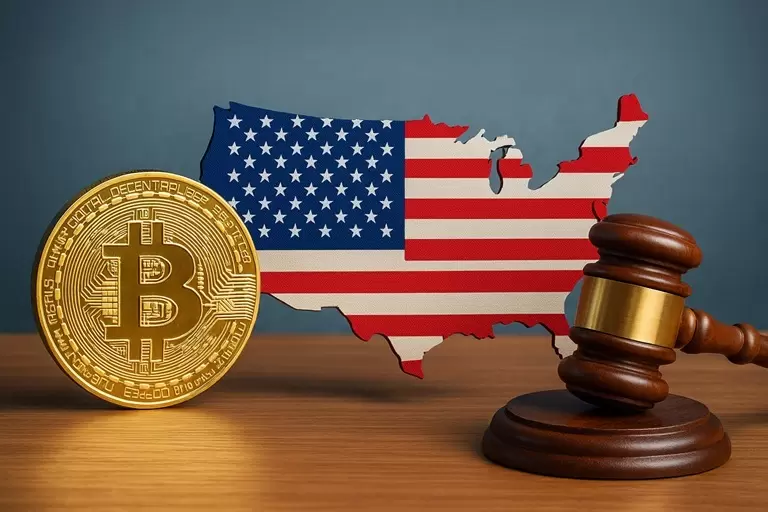
▲ Bitcoin (BTC) regulation/ChatGPT generated image
The US cryptocurrency market structure bill has reached a critical juncture that will determine its fate in 2026, stalled at the threshold of the Senate Banking Committee by a three-pronged conflict: ethics provisions, stablecoin reward regulations, and the merger of bills within the Senate.
According to Coin Bureau, a cryptocurrency YouTube channel, on May 14 (local time), the Senate Banking Committee began marking up the US cryptocurrency market structure bill at 10:30 AM that day. More than 100 amendments were attached to this process, with Senator Elizabeth Warren alone submitting over 40. The White House aims for a July 4 signing, but Polymarket's passage probability dropped from 82% in February to 45% by the end of April, then fluctuated between 59-73%. Coin Bureau explained that this markup is not a final vote but a process to discuss and vote on each amendment to decide whether to send the bill to the full Senate.
The biggest point of contention is the ethics provision. Initially, the bill included language prohibiting high-ranking officials, including the president, from owning, promoting, or affiliating with digital asset businesses while in office, but this provision has been removed from the current 309-page draft. Senate Banking Committee Chairman Tim Scott stated that ethics legislation falls outside the committee's jurisdiction, while Senator Chris Van Hollen submitted an amendment to reinstate the ethics provision. Senator Kirsten Gillibrand said, “No one will vote for this bill without an ethics provision.” Conversely, Senator Cynthia Lummis warned that if the ethics provision is added, US President Donald Trump would immediately veto it.
Stablecoin reward regulation has also emerged as the bill's second flashpoint. Section 404, brokered by Senators Tom Tillis and Angela Alsobrooks, is a compromise that prohibits passive interest earned from simply holding stablecoins in a wallet but allows activity-based rewards such as payments, governance, and liquidity provision. Coin Bureau explained that while USDC simple holding yield products would be prohibited, rewards from trading, staking, and liquidity provision could survive. The American Bankers Association, Bank Policy Institute, and Independent Community Bankers of America opposed this compromise, with the American Bankers Association mobilizing over 8,000 letters to be sent to Senate offices. Senators Jack Reed and Tina Smith introduced an amendment that would prohibit “anything substantially similar to interest,” and it was explained that if this amendment passes, income-generating stablecoin products in the US, such as USDC rewards, PYUSD programs, and Coinbase reward programs, could effectively disappear.
The Senate's merger process was also identified as a variable that could sway the bill's direction. The Senate Banking Committee bill must be coordinated with the Digital Commodities Broker Act, which passed the Senate Agriculture Committee in January. Coin Bureau pointed out that because the merger process primarily occurs in private negotiations, provisions that passed committee votes could quietly be dropped from the final text. Risky provisions mentioned include the decentralized finance developer immunity clause, Section 105 which protects tokens that have become underlying assets for spot ETFs like Bitcoin (BTC) and Ethereum (ETH) from securities classification, the Tillis-Alsobrooks stablecoin compromise, and the housing pilot agreement linked to securing Senator John Kennedy's affirmative vote.
The timeline is also tight. White House cryptocurrency advisor Patrick Witt is aiming for a July 4 signing ceremony, and the video effectively set the May 21 Memorial Day recess as the first deadline. After that, merger negotiations in June, a 60-vote passage in the full Senate, coordination with the House if the Senate amends it, and presidential signing must all be completed before the August recess. If it extends beyond August, it enters the midterm election phase, and if a new Congress convenes in January 2027, an unfinished bill would have to start from scratch. Coin Bureau reported that with Bitcoin spot ETF assets under management exceeding $100 billion, the XRP spot ETF attracting $81 million in April, and the Solana (SOL) ETF bringing in over $26 million in a single day on May 11, the regulatory vacuum in the US is pressuring market competitiveness.
Key signals to watch in this markup include the vote on the Van Hollen ethics amendment, whether the Reed-Smith stablecoin amendment passes, opening remarks from Warren and Gillibrand, changes in probabilities on Polymarket and Kalshi, and whether industry support is maintained. Coin Bureau believes that a clean committee passage could see the probability of passage rise back to the 80% range, but if the process gets complicated, it could fall to the 40% range. The US cryptocurrency market structure bill must simultaneously navigate ethics controversies, banking sector pressure, and the Senate merger process to move towards regulatory clarity within 2026.
*Disclaimer: This article is for informational purposes only and does not constitute investment advice. We are not responsible for any investment losses based on this information. This content should be interpreted for informational purposes only.*
Newsletter
Get key news delivered to your email every morning
to leave a comment.