
to leave a comment.
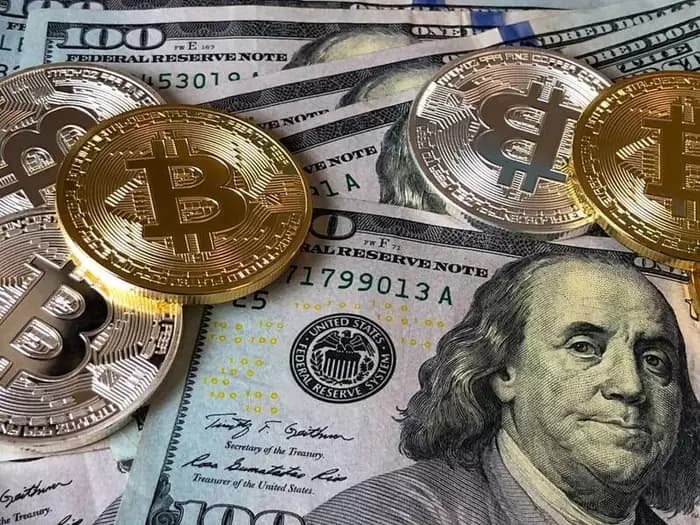
▲ Bitcoin (BTC), Dollar (USD) ©
As expectations for a U.S. Federal Reserve (Fed) interest rate cut revived due to slowing U.S. employment figures in July, Bitcoin (BTC) rebounded. Furthermore, Bitcoin spot ETF inflows turned to net inflows after 10 trading days, showing signs of improving institutional investor sentiment.
According to CoinMarketCap, a cryptocurrency market aggregation site, on July 3 (local time), Bitcoin traded at $62,819.78, up 2.19% over 24 hours, and the overall cryptocurrency market also showed a strong upward trend, rising 2.24% during the same period. Its correlation coefficient with gold over the past 30 days recorded 77%, drawing renewed attention to its nature as an inflation-hedge asset.
The biggest driver behind this rally was weaker-than-expected U.S. employment figures. Non-farm payrolls in June increased by only 57,000, significantly below market expectations of 113,000, and previous figures were also revised downwards. Furthermore, Federal Reserve Chairman Kevin Warsh's remark that "inflation risks have decreased" fostered expectations of a reduced likelihood of further interest rate hikes. This led to a weakening dollar and a recovery in risk asset appetite, driving funds into Bitcoin. Simultaneously, a short squeeze, involving the liquidation of approximately $450 million in short positions (buying pressure generated to close or cover short positions), was also cited as a factor amplifying the price increase.
Institutional investors also showed positive signs. U.S. Bitcoin spot ETFs, which recorded a total net outflow of $4.5 billion during June, saw a net inflow of $221.7 million on July 2 alone, ending a 10-consecutive-trading-day streak of net outflows. Fidelity's FBTC, in particular, led the inflows by attracting $166 million. While it is difficult to conclude a trend reversal based on just one day's net inflow, the fact that institutional selling pressure, which had been weighing on prices, has somewhat eased was considered a significant change.
In the short term, maintaining the $60,000 support level is considered a key variable. This range acts as a psychological support level and coincides with the 50% Fibonacci retracement level. Over the past 24 hours, liquidation volume decreased by 82% to $29.42 million, indicating a reduction in volatility. Analysis suggests that if Bitcoin breaks through the $62,500-$63,700 resistance zone on a daily closing basis, further upside potential could open up towards the $66,200 area, where the 50-day exponential moving average is located. However, if it falls back below $60,000, the possibility of retesting the $58,000 low cannot be ruled out.
*Disclaimer: This article is for investment reference only, and we are not responsible for any investment losses based on it. The content should be interpreted for informational purposes only.*
Newsletter
Get key news delivered to your email every morning
to leave a comment.