
to leave a comment.
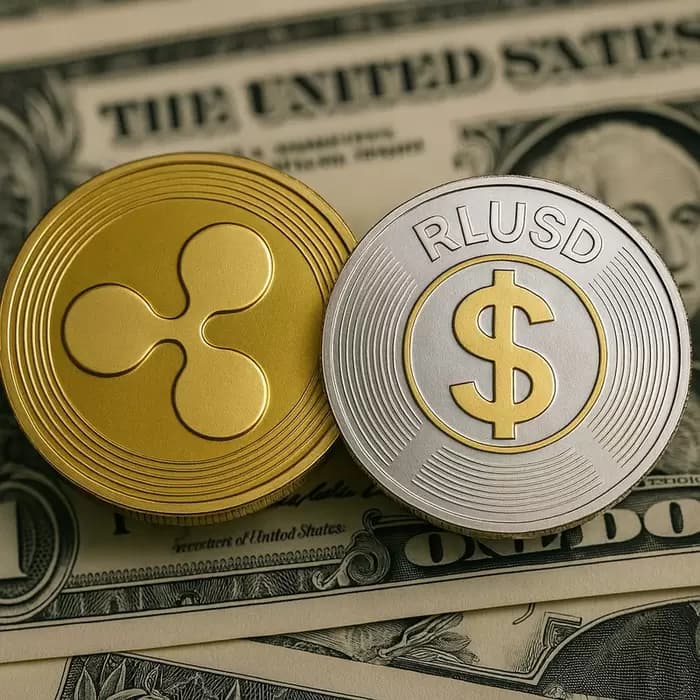
▲ XRP, RLUSD, USD/ChatGPT generated image ©
As Ripple's dollar-pegged stablecoin heavily flows into the Ethereum ecosystem, the boundaries between the two previously disconnected major blockchain networks are blurring, ushering in a new era for global virtual asset transactions.
According to cryptocurrency media outlet Bitcoinist on April 11 (local time), Ripple recently issued 9,900,000 new RLUSD on the Ethereum (ETH) network, accelerating the expansion of its stablecoin ecosystem across multiple blockchains. This supply, generated through Ripple's Treasury smart contract system, was provided in a transparent and controlled manner to meet the growing demand from exchanges, institutional investors, and individual users.
The newly issued tokens are securely backed 1:1 by dollar cash and cash equivalents held in regulated custody accounts, maintaining a stable price in decentralized finance markets and exchanges. This issuance garnered market attention as it occurred shortly after an aggressive supply reduction period, during which over $230 million worth of XRP (Ripple) ledger and Ethereum network tokens were burned in just over a week, and 180 million disappeared in a matter of hours.
The financial health, a measure of stablecoin trustworthiness, also received positive evaluations. According to a report by global accounting firm Deloitte, RLUSD's current reserves stand at $1.56 billion, comfortably exceeding the circulating supply of 1.49 billion tokens, demonstrating full reserve capability. Bolstered by this, virtual asset exchange Bitrue opened a new market allowing direct trading of RLUSD with tokenized physical gold assets, further expanding its utility.
Market experts diagnose that this full-fledged entry into the Ethereum ecosystem will be a key catalyst, not just for expanding distribution networks but for transforming the global transaction structure itself. As this stablecoin acts as a bridge between Ethereum and the XRP Ledger, investors can now directly access abundant dollar liquidity in a DeFi environment without relying on traditional banking networks or slow payment systems.
Consequently, this structure, where supply is flexibly adjusted according to market demand, significantly reduces friction costs in global transactions. It maximizes capital efficiency, shortens settlement times, and completes a faster, more interconnected liquidity network, allowing funds to move seamlessly between centralized exchanges and decentralized markets.
*Disclaimer: This article is for investment reference only, and we are not responsible for investment losses based on it. The content should be interpreted for informational purposes only.*
Newsletter
Get key news delivered to your email every morning
to leave a comment.