
to leave a comment.
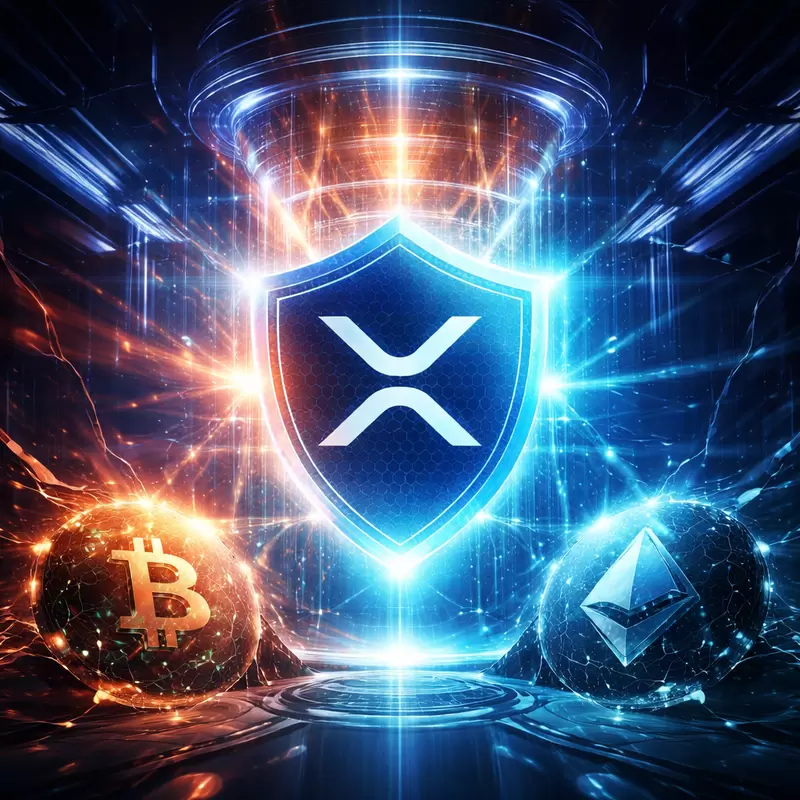
▲ Quantum Computer, XRP, Bitcoin (BTC), Ethereum (ETH)/ChatGPT Generated Image
An analysis suggests that XRP could surpass Bitcoin in the security competition of the quantum computer era, reigniting a fundamental debate about the very structure of cryptocurrencies.
According to crypto-specialized media CryptoPotato on April 9 (local time), on-chain analysis indicates that XRP has a structure with lower exposure to future quantum attacks than Bitcoin. Analyst Vet stated, "Vulnerable XRP whale wallets are almost non-existent."
Specifically, approximately 300,000 XRP accounts holding a total of 2.4 billion XRP have never made a withdrawal transaction, and these accounts have a structure where their public keys are not externally exposed, making them not targets for quantum attacks. In contrast, large XRP wallets that have been inactive for more than 5 years and have exposed public keys are estimated to be only about 2, each holding approximately 21 million XRP.
In contrast, Bitcoin (BTC) structurally has a wider attack surface. A significant number of addresses with already exposed public keys exist, including over 1 million BTC of long-term unused holdings presumed to be owned by Satoshi Nakamoto. The vulnerability factor is identified as the possibility that these assets could become direct targets if a quantum computer were to reverse-engineer private keys from public keys.
The design of the XRP Ledger is also highlighted as a differentiating factor. This network adopts a structure where public keys are not revealed until a transaction actually occurs, thereby inherently blocking attack paths for unused accounts. Additionally, it supports a key rotation feature, allowing authentication information to be replaced without changing the account in the event of a security threat, which is also considered a countermeasure.
Ripple engineer Mayukha Vadari emphasized additional defense mechanisms, stating, "If assets are locked in escrow, they cannot be accessed by any computing power before the set time." However, it was also analyzed that while there is a possibility of accounts being deactivated in some extreme scenarios, it would be difficult for attackers to actually steal the assets.
This analysis shows that if the threat of quantum computers becomes a reality, it will not be a mere price issue, but rather network structure and design philosophy will emerge as key variables determining asset security.
*Disclaimer: This article is for investment reference only, and we are not responsible for any investment losses based on it. The content should be interpreted for informational purposes only.*
Newsletter
Get key news delivered to your email every morning
to leave a comment.