
to leave a comment.
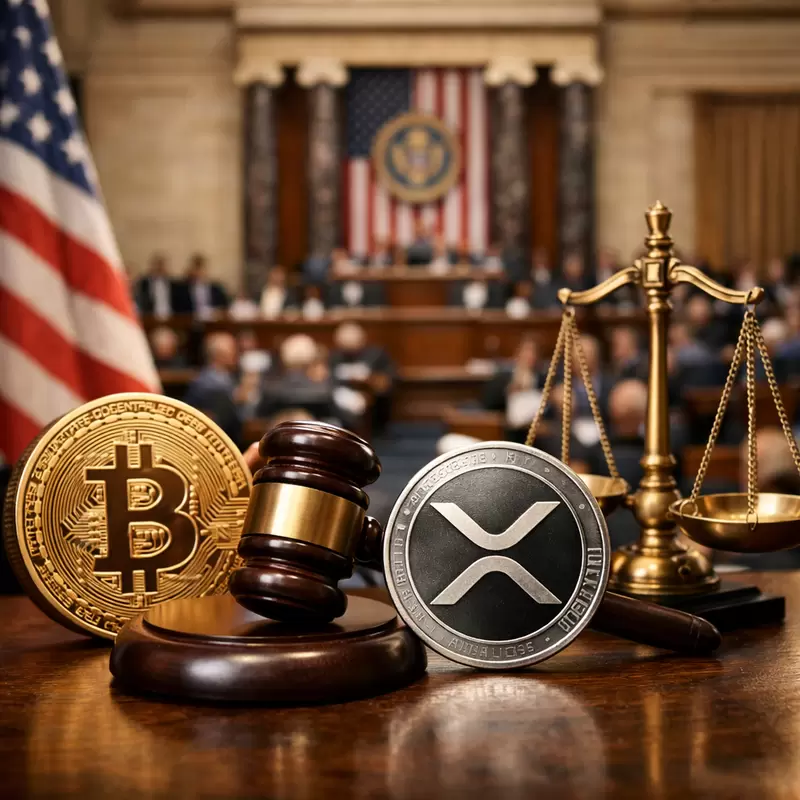
▲ Bitcoin (BTC), XRP (XRP), cryptocurrency regulation/AI-generated image
As a key bill that will determine the future of the U.S. virtual asset industry enters its final phase, a figure with the greatest influence in the industry has reversed their stance, rapidly changing the market landscape.
According to crypto-focused media outlet Benzinga on April 10 (local time), Coinbase CEO Brian Armstrong, who had been negative about the U.S. cryptocurrency market structure bill until Q1, recently shifted his stance to approval. Armstrong agreed that the bill must pass this spring to protect innovation and establish a clear regulatory framework within the U.S. The bill includes provisions to define the legal status of digital assets and clarify jurisdiction among regulatory agencies.
The background to Armstrong's initial opposition was a conflict of interest surrounding stablecoin revenue and reward structures. It was judged that if regulatory intensity increased in a situation with clear business model differences between the banking sector and Coinbase, corporate activities could be stifled. However, it is interpreted that he changed his stance recently as the trend of innovative companies and capital moving overseas to avoid regulatory uncertainty accelerated.
U.S. Treasury Secretary Scott Bessant urged the Senate to promptly process the bill through a Wall Street Journal op-ed. Bessant defined the regulatory vacuum as a national security issue, emphasizing the urgency of legislation to secure financial leadership. U.S. President Donald Trump also maintains a favorable stance towards the virtual asset industry, suggesting that the overall political atmosphere is leaning towards the bill's passage.
The industry views Armstrong's change of stance as effectively removing a major variable. With the heads of the SEC and CFTC having already expressed support for the bill, Coinbase's addition is analyzed to have rapidly strengthened the momentum for legislative action. If the legal status of major assets like Bitcoin (BTC) and XRP becomes clear, institutional capital inflow is also highly likely to accelerate.
If the bill passes, the U.S. will secure the institutional foundation to leap forward as a global hub for the virtual asset industry. Although detailed coordination regarding stablecoin regulation remains, the formation of a common ground between the government and the industry has significantly increased the possibility of legislative realization.
*Disclaimer: This article is for investment reference only, and we are not responsible for any investment losses based on it. This content should be interpreted for informational purposes only.*
Newsletter
Get key news delivered to your email every morning
to leave a comment.