
to leave a comment.
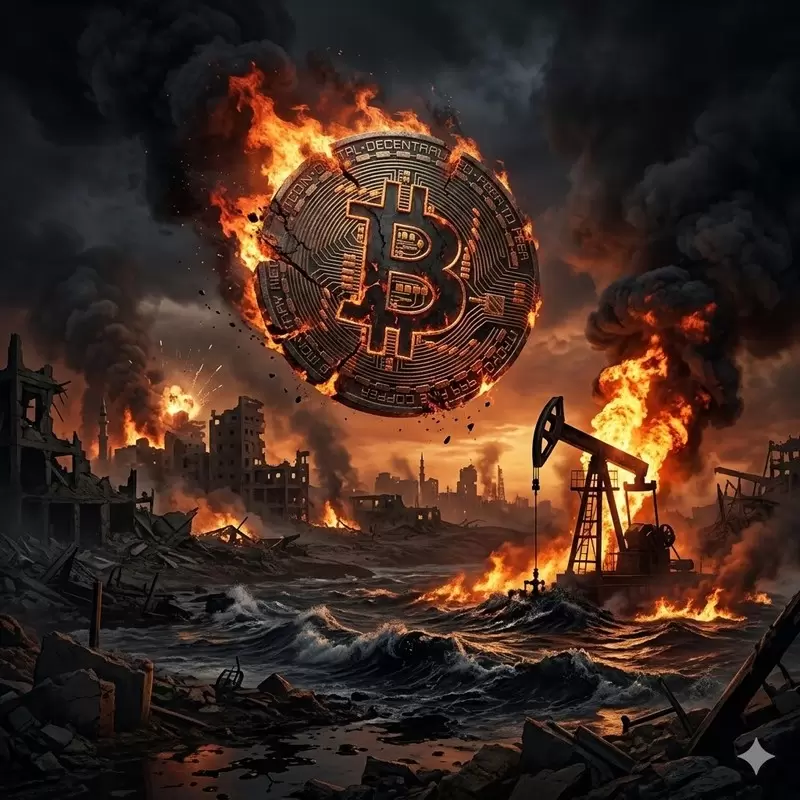
▲ Bitcoin (BTC), Iran War, Crude Oil/AI generated image
The Iranian government has taken an unconventional step, demanding Bitcoin (BTC) as a toll for passage through the Strait of Hormuz, intending to adopt virtual assets as an official means of collection for national infrastructure.
Cryptocurrency specialized media Cointelegraph reported on April 11 (local time) the possibility of oil tankers paying tolls in Bitcoin when passing through the strait, citing remarks from Hamid Hosseini, spokesperson for the Iranian Oil, Gas and Petrochemical Products Exporters' Union. This move by the Iranian government comes shortly after US President Donald Trump announced a two-week truce with Iran and is seen as a strategy to circumvent international sanctions. The Financial Times analyzed that Iran intends to introduce virtual assets as an official payment method in the Strait of Hormuz, through which approximately 20% to 25% of the world's oil supply passes.
In the virtual asset community, Iran's attempt is met with both expectations that it could enhance Bitcoin's credibility as a neutral payment layer and concerns about its technical limitations. Bitcoin advocate Justin Bechler analyzed that the Iranian government likely chose Bitcoin due to its censorship resistance, unlike USDT which can be frozen by its issuer. Payment methods being discussed include Layer 2 solutions like the Lightning Network or direct transfer using QR codes.
A major obstacle identified is the technical requirement to complete large-scale fund payments within seconds. Hosseini stated that ships must complete payments in just a few seconds after assessment, but experts point out that the Lightning Network's current processing capacity might be insufficient to handle transactions worth millions of dollars. Analyst Thorn predicted that it would be more realistic for Iranian authorities to provide ships with QR codes or alphanumeric addresses for an approval process.
Kaitlin Martin, Senior Intelligence Analyst at global security and analytics firm Chainalysis, warned that paying tolls via virtual assets could expose shipping companies to serious risks of sanctions violations. Martin stated that providing funds to the Iranian regime or the IRGC could be subject to international sanctions. Martin emphasized that since blockchain transactions are transparently recorded, virtual assets cannot be a perfect means of sanctions evasion and may even be easier to track.
Following this news, Bitcoin prices surged from around $68,000 to $72,000, reflecting the market's sensitive reaction. In an unstable situation where oil prices are hovering around $100 per barrel, the combination of virtual assets and energy prices is creating new market volatility. With Trump indicating that he would not accept Iran's attempt to collect tolls, the international community's political response is becoming a crucial variable in determining the actual adoption of Bitcoin in the future.
*Disclaimer: This article is for investment reference only, and we are not responsible for any investment losses based on it. The content should be interpreted for informational purposes only.*
Newsletter
Get key news delivered to your email every morning
to leave a comment.