
to leave a comment.
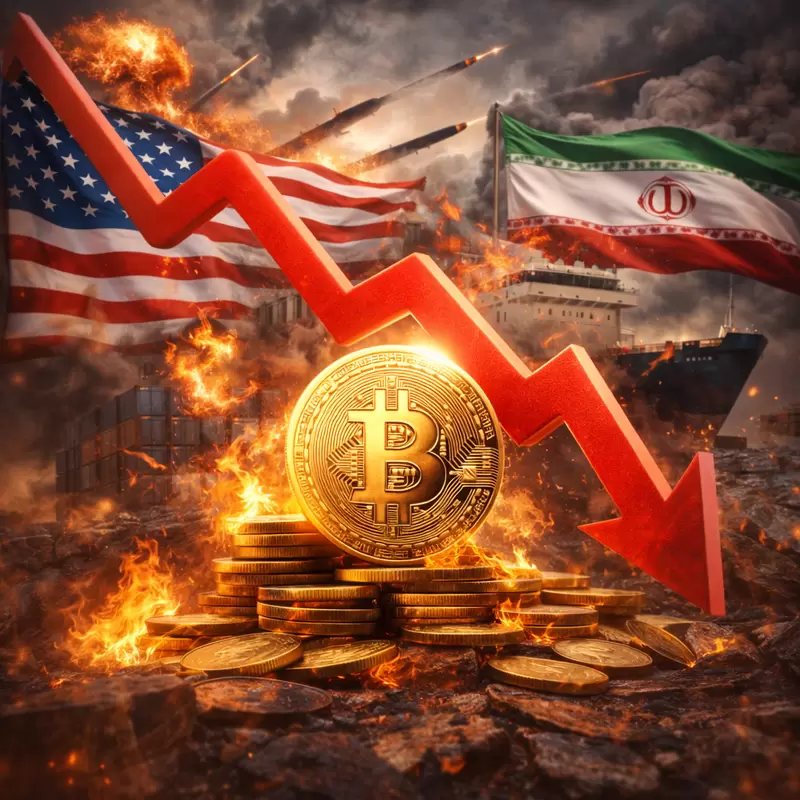
▲ US, Iran, Bitcoin (BTC)/ChatGPT generated image
Negotiations between Iran and the United States have collapsed, and the specter of war is once again looming over the Middle East. Bitcoin (BTC) price reacted immediately, plummeting below the $72,000 mark.
Crypto news outlet BeInCrypto reported on April 12 (local time) that high-level talks between the US and Iran in Islamabad, Pakistan, ended without a breakthrough. Both sides engaged in marathon meetings for 21 hours but failed to resolve key issues such as control over the Strait of Hormuz and the lifting of economic sanctions. US Vice President JD Vance stated immediately after the talks, "The United States made a final and best offer, but Iran rejected it," and then departed Pakistan.
Immediately after the news of the negotiation breakdown, Bitcoin's price plummeted from the $74,000 mark to $71,168. This was a result of short-term investment funds, which had flowed in with expectations of peace, largely exiting to avoid geopolitical risks. Currently, Bitcoin is trading around the $71,716 mark, attempting to recover some of its losses. This represents a drop of approximately 1.84% over the past 24 hours, indicating that market anxiety remains high.
US President Donald Trump announced the commencement of mine-clearing operations in the Strait of Hormuz alongside the news of the negotiation collapse. Trump emphasized, "US Navy vessels are already moving into the operational area to secure the safety of maritime logistics hubs." These military movements, coupled with soaring international oil prices, are exerting strong downward pressure on the cryptocurrency market, a risky asset.
The market is closely watching for potential retaliatory actions from Iran or the possibility of a blockade of the Strait of Hormuz. Large investors are reducing their positions for risk management, and the preference for safe-haven assets is strengthening. Experts warned that if Bitcoin fails to hold the $70,000 support level, further corrections down to $68,000 could occur.
Volatility in the cryptocurrency market is expected to be maximized until tensions in the Middle East subside. With Trump's firm stance and Iran's refusal for further negotiations, a short-term price rebound seems unlikely. Investors are closely monitoring real-time changes in the geopolitical situation and focusing on asset protection strategies in response to increased volatility.
*Disclaimer: This article is for investment reference only, and we are not responsible for any investment losses based on it. The content should be interpreted for informational purposes only.*
Newsletter
Get key news delivered to your email every morning
to leave a comment.