
to leave a comment.
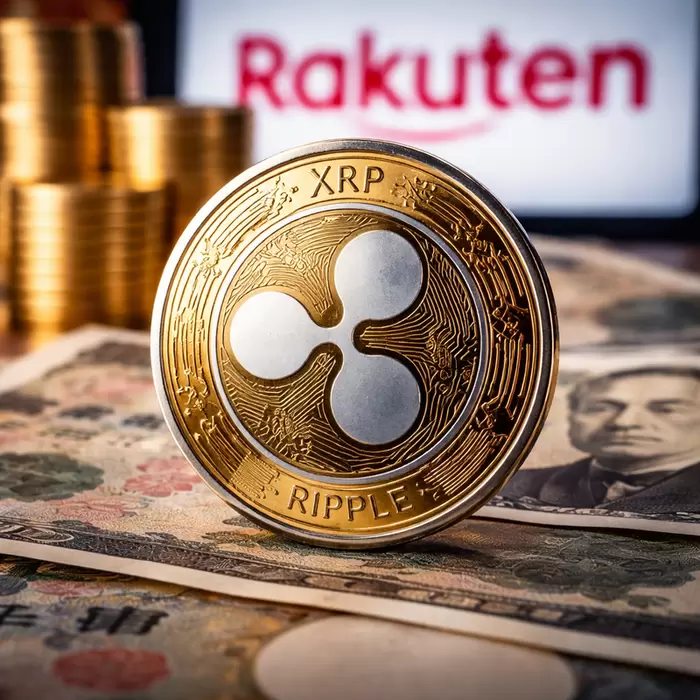
▲ Rakuten, XRP/AI Generated Image ©
XRP has finally broken through the upper bound of its 7-month downtrend channel, bolstered by its integration into Japan's large payment ecosystem, a pilot program with a Korean institution, and an increase in capital inflow.
According to the investment news outlet TradingNews on April 17 (local time), XRP broke out of its $1.33 trading range, surging 10% to $1.45, marking its strongest weekly performance this year. Its market capitalization was approximately $87 billion, and its 52-week price range was recorded from $1.14 to $3.65. The outlet noted that this rebound is particularly significant because it represents an independent rally based on XRP's own positive developments, moving away from its relatively sluggish performance compared to Bitcoin and Ethereum.
The key driver behind the surge is the payment integration with Japan's Rakuten Wallet. On April 15, Rakuten Wallet officially adopted XRP payments, opening up a path for XRP usage to 44 million active users and over 5 million merchants in Japan. Users can now directly convert Rakuten points to XRP, which is considered a major expansion of consumer touchpoints that lowers barriers to wallet and exchange usage. On the same day, Ripple announced a pilot collaboration with Kyobo Life Insurance for a blockchain-based government bond settlement infrastructure, further fueling expectations for institutional adoption in Korea.
Institutional fund flows have also rapidly recovered. XRP spot ETFs saw an inflow of $17.6 million in one day, marking the largest daily net inflow since February, and weekly inflows into XRP-related funds totaled $119.6 million, accounting for 53% of all cryptocurrency fund capital. The total assets under management (AUM) for the six current XRP spot ETFs have swelled to approximately $1.25 billion. However, the fact that this volume only represents about 1.4% of XRP's market capitalization was also presented as an indication that there is still significant room for further institutional adoption.
On-chain metrics are also signaling a change. On the XRP Ledger, the real-use-to-speculation ratio has decreased to 1.75, with payment volume recorded at approximately 291 million XRP and speculative trading volume at approximately 510 million XRP. Active addresses over 24 hours surpassed 17,000, and inflows to exchanges remained at approximately 1.3 million XRP, indicating low selling pressure. Technically, XRP has broken above its 7-month downtrend channel, the Relative Strength Index (RSI) has risen without entering the overbought zone, and the Moving Average Convergence Divergence (MACD) has shown a bullish crossover.
The price level the market is now focusing on is $1.45. TradingNews explained that approximately 60% of the circulating supply was last purchased around this level, making it a resistance zone where break-even selling pressure is concentrated. If this price is broken with significant volume, the next targets are $1.61, followed by $1.88 and $2.00. However, the potential delay in the US cryptocurrency market structure bill, the CLARITY Act, is a variable. Standard Chartered lowered its year-end price target from its previous $8 to $2.80, but still assessed a 93% upside from the current price. The outlet stated that the CLARITY Act schedule by the end of April, the ceasefire variable on April 22, and the results of the Federal Open Market Committee (FOMC) on April 28-29 will be key turning points determining XRP's next direction.
*Disclaimer: This article is for investment reference only, and we are not responsible for any investment losses based on it. The content should be interpreted for informational purposes only.*
Newsletter
Get key news delivered to your email every morning
to leave a comment.