
to leave a comment.
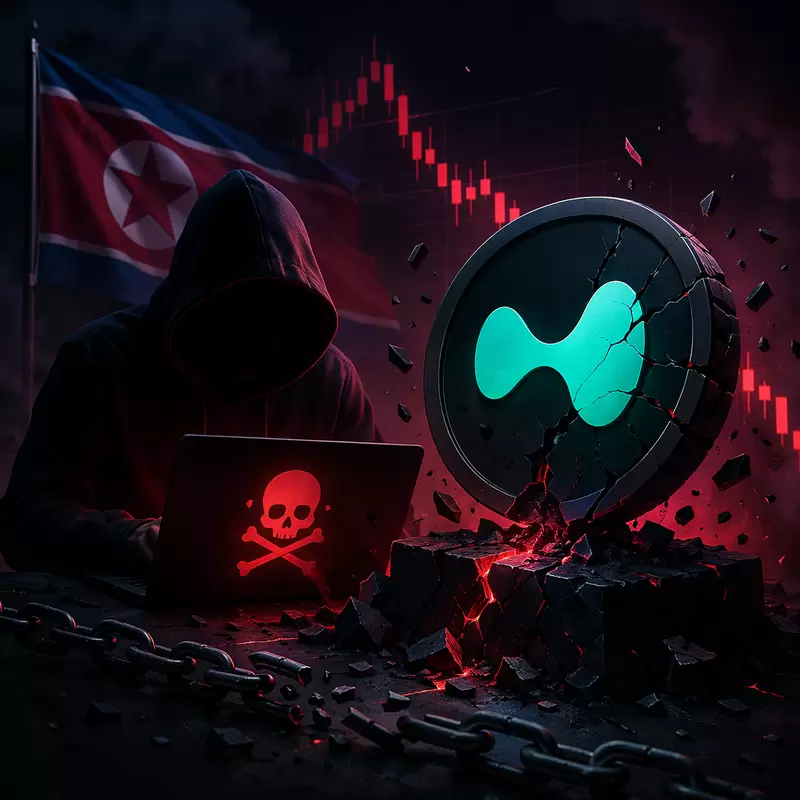
▲ Hyperliquid, Cryptocurrency Hacking/AI Generated Image
Hyperliquid, which dominates 70% of the decentralized derivatives market, is facing a collapse due to a design flaw. This has made it a ticking time bomb that could shake the entire virtual asset ecosystem.
Louis Raskin, host of the cryptocurrency YouTube channel Coin Bureau, warned in a video released on April 17 (local time) that Hyperliquid's architectural design flaw has become a new target for North Korean hackers. Raskin referred to the incident on April 1, 2026, where Solana's (SOL) Drift Protocol had $285 million stolen by North Korea's Lazarus Group, analyzing that decentralized derivatives exchanges have become a key pathway for sophisticated hacking. The fact that some of the stolen funds were laundered through Hyperliquid's infrastructure proves that the platform has already fallen into the hands of criminal organizations.
Hyperliquid's biggest weakness is a self-liquidation pattern stemming from its fundamental system design, not a code error. Attackers manipulate prices in low-liquidity markets, forcing the HLP (liquidity provider vault) to take on bad positions, thereby extracting funds. Over the past 12 months, HLP vault assets have been drained using the same method at least five times, including Popcat and JellyJelly, but the platform has still not completed structural improvements. The HLP vault, with $1.68 billion deposited, is effectively being used as an ATM by attackers, providing a guaranteed channel for profit realization.
Despite marketing itself as a decentralized exchange, Hyperliquid's strong centralized authority is also pointed out as an issue. During the JellyJelly incident, validators unilaterally decided on market delisting and forced liquidation without community governance, revealing their centralized nature. A Glassnode investigation found that all 24 validators are concentrated in the AWS Tokyo region, posing a single point of failure risk where the entire network could be disrupted if a regional outage occurs. The structural limitations are clear: it's easier for attackers to exploit the system than for users to benefit from transaction transparency.
The collapse of Hyperliquid is not merely the failure of an individual platform but a systemic threat that could have devastating effects on mainstream finance. Hyperliquid boasts a quarterly trading volume of $492.7 billion and has recently grown into a key financial infrastructure handling macro assets such as gold and oil. As Bitwise and Grayscale prepare Hyperliquid-related spot ETF products, the platform's structural failure increasingly risks leading to massive losses for individual and institutional investors. The vulnerability of a platform holding a 70% market share in the virtual asset market could trigger a cascading collapse across the entire ecosystem.
Despite Hyperliquid generating over $740 million in annual fee revenue, critical design flaws remain unaddressed. HLP vault depositors are entrusting their funds without fully recognizing the tail risks obscured by high returns of around 20%. As North Korean hackers' attack methods become more sophisticated, the market's trust will decline the longer structural improvements are delayed. With the self-healing ability of a massive platform put to the test, responsible decisions are needed as a global financial infrastructure.
*Disclaimer: This article is for investment reference only, and we are not responsible for any investment losses based on it. The content should be interpreted for informational purposes only.*
Newsletter
Get key news delivered to your email every morning
to leave a comment.