
to leave a comment.
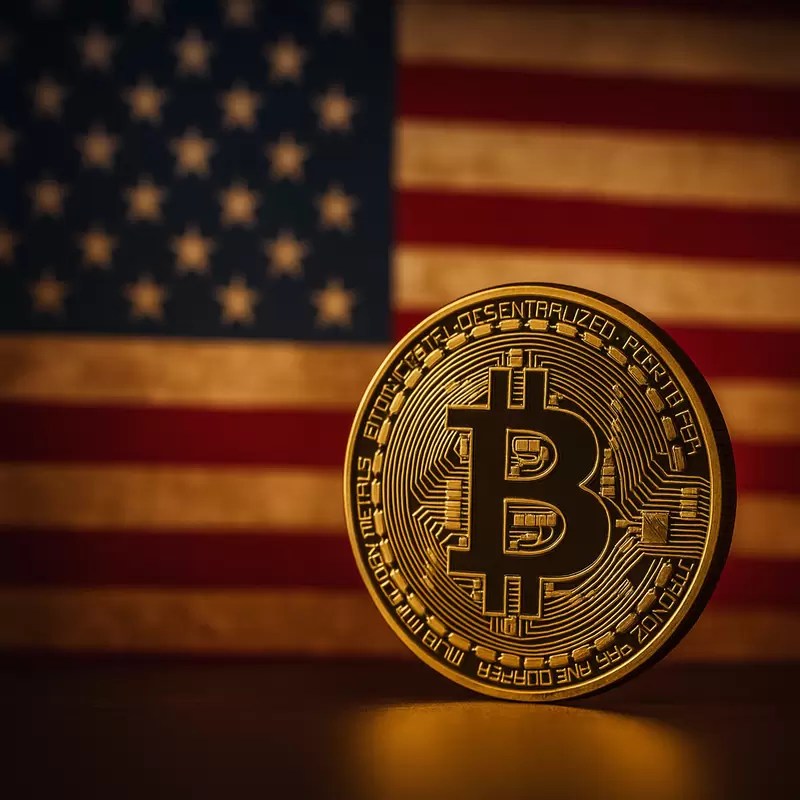
▲ US, Bitcoin (BTC)
As the U.S. federal government reviews a bill to incorporate Bitcoin (BTC) as a strategic asset, market attention has focused on Republican Congresswoman Sherri Biggs, who made a large-scale purchase of BlackRock's spot Bitcoin ETF.
BeInCrypto reported, citing a congressional report submitted on April 16, that Representative Biggs purchased iShares Bitcoin Trust ETF (IBIT) on March 4, with a value ranging from a minimum of $100,001 to a maximum of $250,000. The transaction was conducted through a UBS Financial Services account managed by her spouse and fulfilled the reporting obligation within 45 days as required by the Stop Trading on Congressional Knowledge (STOCK) Act.
This is not the first Bitcoin investment by Representative Biggs' family. In July 2025, her spouse also purchased the same ETF within the same value range. That transaction occurred approximately one week before a virtual asset-related bill passed the House, and a $200 fine was imposed for delayed reporting. Subsequently, the price of IBIT rose by about 12% over approximately three months, leading to investment gains.
In the political arena, legislative discussions for securing Bitcoin are also gaining momentum. The 2025 Bitcoin Act, introduced by Senator Cynthia Lummis, proposes that the U.S. Treasury purchase 1 million BTC over five years and hold it for at least 20 years. If the bill passes, the U.S. government is expected to become one of the largest Bitcoin holders worldwide.
Furthermore, the American Miners Act, co-sponsored by Senator Bill Cassidy and Senator Lummis, includes provisions allowing U.S. miners to directly sell the Bitcoin they produce to the Treasury. This bill is being pursued to codify an executive order by President Donald Trump.
The IBIT purchased by Representative Biggs manages assets worth approximately $55 billion and holds about 70% of the U.S. spot Bitcoin ETF market share. As investments in virtual assets and related products by political figures coincide with policy initiatives, conflicts of interest controversies are expanding, and arguments for restricting stock and ETF trading by members of Congress are gaining traction.
*Disclaimer: This article is for investment reference only, and we are not responsible for any investment losses based on it. The content should be interpreted for informational purposes only.*
Newsletter
Get key news delivered to your email every morning
to leave a comment.