
to leave a comment.
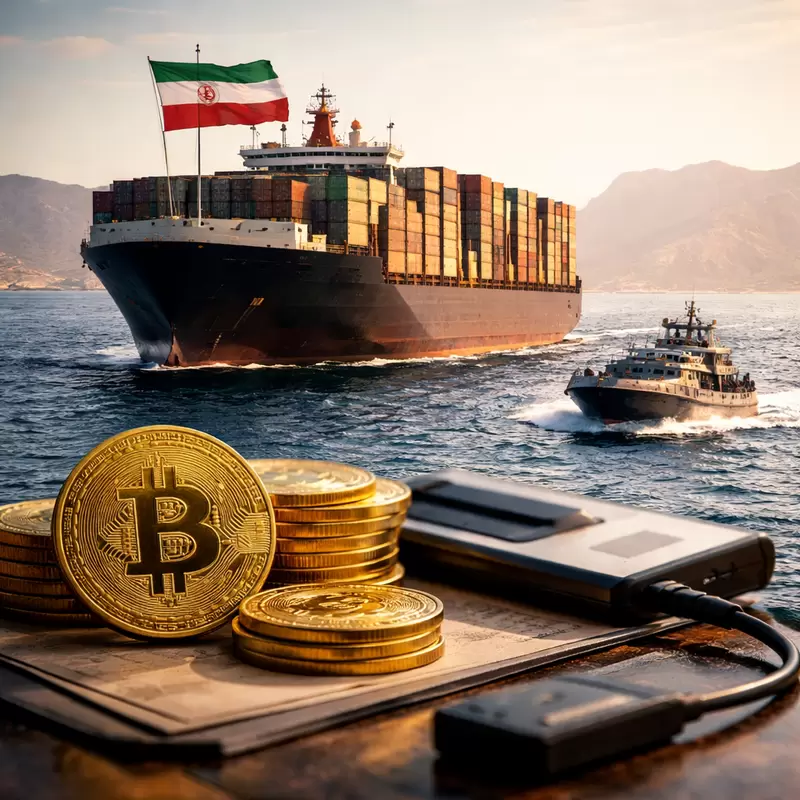
▲ Iran, Strait of Hormuz, Bitcoin (BTC)/AI generated image
Iran is integrating virtual assets as national strategic assets by imposing Bitcoin (BTC) tolls on oil tankers passing through the Strait of Hormuz. However, in the actual payment market, Tether (USDT), a stablecoin, still maintains overwhelming dominance.
According to a report by CoinTelegraph, a virtual asset media outlet, on April 18 (local time), Sam Lyman, an analyst at the Bitcoin Policy Institute, analyzed that while the Iranian government considers Bitcoin a strategic asset, it primarily uses Tether for oil toll payments. Lyman explained that Iran highly values Bitcoin's unseizable nature and has officially adopted it as a payment method for Strait of Hormuz tolls. However, in actual transactions, USDT, with its low price volatility and abundant liquidity, is at the center of payments.
In March, the Iranian Parliament approved a plan to manage the Strait of Hormuz and began imposing tolls of $0.5 to $1 per barrel on oil tankers passing through the strait. With approximately 21 million barrels of crude oil passing through this area daily, Iran is expected to generate about $20 million in revenue each day. Calculated on an annual basis, this amounts to a massive fund of up to $120 billion. To circumvent sanctions, Iran has put forward Bitcoin, Yuan, and digital assets as payment methods instead of the traditional Society for Worldwide Interbank Financial Telecommunication (SWIFT) network.
The Bitcoin Policy Institute pointed out that the current Bitcoin network has technical limitations in handling the large-scale payment volumes and speeds intended by Iran. Lyman stated that no large-scale Bitcoin movements sufficient to settle tolls for large oil tankers have yet been detected in on-chain data. Bitcoin transactions are public and take about 10 minutes for confirmation, which creates inconvenience for a toll system requiring real-time settlement. For this reason, Iran is adopting a dual strategy: holding Bitcoin as a long-term strategic reserve asset and securing actual operating funds with stablecoins.
With sanctions from the US President Donald Trump administration continuing, virtual assets are becoming a powerful economic breakthrough for Iran. Iran has opened virtual asset exchange windows on Qeshm Island, immediately converting deposited funds into local currency or foreign currency accounts. Lyman analyzed that Iran defines Bitcoin not merely as a speculative asset but as digital oil, strengthening its influence over the global energy supply chain. These moves are presenting new economic models to other sanctioned countries and challenging US-led financial hegemony.
The virtual asset market views Iran's adoption of Bitcoin as a historic opportunity to strengthen the asset's fundamentals. As Bitcoin rises to the status of inter-country payment and strategic reserve asset, its value as digital gold is expected to be further solidified. However, excessive reliance on stablecoins carries the risk of asset freezing by the issuer, so it remains to be seen whether Iran will pursue technical improvements in the future through the Bitcoin Lightning Network and other means. The current situation, combining energy hegemony and virtual asset technology, will be an inflection point that shakes the future global economy.
*Disclaimer: This article is for investment reference only and is not responsible for any investment losses based on it. This content should be interpreted for informational purposes only.*
Newsletter
Get key news delivered to your email every morning
to leave a comment.