
to leave a comment.
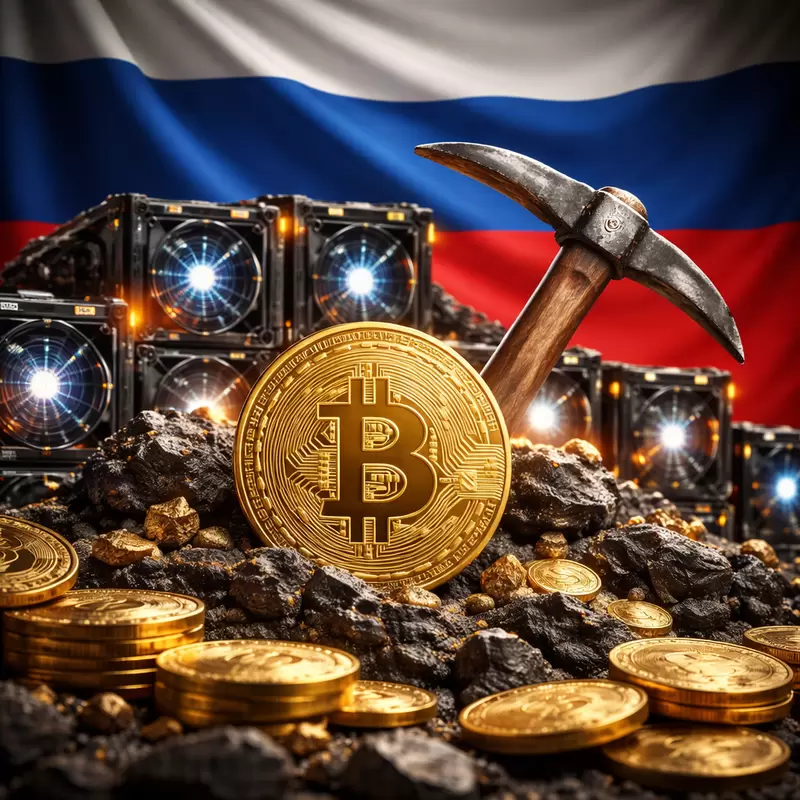
▲ Russia, Bitcoin (BTC), Cryptocurrency Mining/AI-generated image
Russia has unveiled a strong regulatory measure that criminalizes unregistered virtual asset mining and trading, spreading tension throughout the market.
According to the cryptocurrency media outlet Bitcoinist on April 19 (local time), senior officials of the Russian State Duma have officially proposed a bill that would consider Bitcoin (BTC) mining and virtual asset trading conducted outside the national registration system as a crime. The bill aims to prevent money laundering and terrorist financing through virtual assets and to incorporate the informal economy into the institutional framework. The Russian government has significantly strengthened regulations, judging that the anonymity of virtual assets could threaten national financial security.
If the bill passes, virtual asset mining will be restrictively permitted only for individuals and companies approved by the state. Unregistered miners who have conducted large-scale mining while concealing energy use or evading taxes will be subject to criminal penalties. Legal grounds have been strengthened to allow not only high fines but also prison sentences depending on the case. Accordingly, a restructuring of the entire mining industry in Russia, which has accounted for a significant portion of global mining, is expected to be inevitable.
The trading sector will also come under full control. The buying and selling of virtual assets through unauthorized platforms and peer-to-peer (P2P) transactions will be deemed illegal. Authorities plan to intensively crack down on asset outflows abroad and concealment activities using unregistered exchanges. In particular, for highly anonymous P2P transactions, the government plans to introduce a precise tracking system to incorporate all fund flows into a central management system. This measure reflects the state's will to directly manage transaction transparency.
The market evaluates this regulation as a decision that prioritizes state control and tax revenue rather than technological innovation. If the bill is implemented, the Russian virtual asset ecosystem is likely to shrink, and there is a possibility that the so-called 'de-Russification' trend, where mining companies move to countries with looser regulations, will accelerate. However, the government maintains that this measure is a process of institutional reform aimed at utilizing virtual assets as a means of international payment in the future.
This regulation, emerging from the process of integrating Russia, a major market, into the institutional framework, is expected to have a significant impact on the direction of global virtual asset policy. Market participants are closely monitoring the ripple effects that will appear depending on the final legislative approval and the actual intensity of enforcement. The analysis suggests that whether strong state-led regulation will enhance market stability or undermine growth momentum depends on future policy operations.
*Disclaimer: This article is for investment reference only, and we are not responsible for any investment losses based on it. The content should be interpreted for informational purposes only.*
Newsletter
Get key news delivered to your email every morning
to leave a comment.