
to leave a comment.
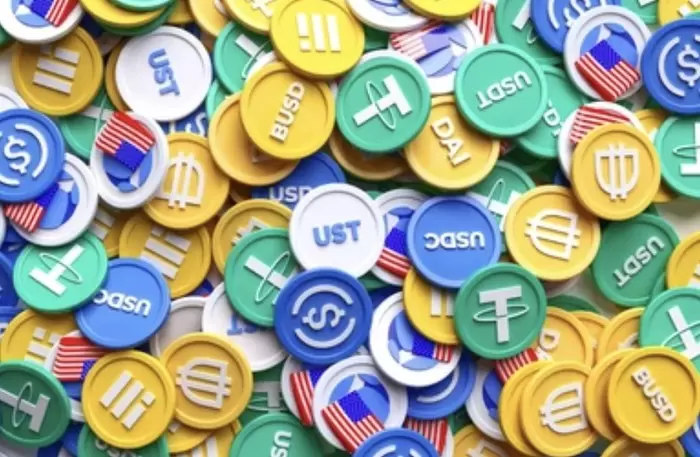
▲ Stablecoin ©Godasol
Fear is growing that stablecoins threaten banks, but analysis suggests they are not yet at a level to shake the financial system.
According to the cryptocurrency specialized media Bitcoinist on April 21 (local time), the debate over allowing interest payments on stablecoins has emerged as a key issue surrounding the US cryptocurrency market structure bill, the CLARITY Act, intensifying conflict between banks and the crypto industry. Major companies like Coinbase oppose the provision prohibiting interest-bearing stablecoins, while the banking sector maintains that the prohibition should be upheld.
This legislative deadlock stems from concerns that stablecoins could erode bank deposits. However, Avi Srivastava, Vice President at Moody's, assessed that this threat is limited at the current stage. He explained that because existing payment systems in the US are already fast, inexpensive, and highly reliable, the attractiveness of stablecoins as a means of daily payment is not yet significant.
In particular, as long as the current regulatory structure prevents stablecoins from paying interest, the likelihood of them attracting large-scale bank deposits is low, according to the analysis. In such an environment, the incentive for fund movement is inevitably limited.
Nevertheless, the market itself is growing rapidly. As of the end of last year, the total market capitalization of stablecoins exceeded $300 billion, and their application areas, including payments, cross-border transactions, and on-chain finance, are expanding. The trend of tokenizing real-world assets on the blockchain is also growing simultaneously.
Moody's warned that the situation could change in the long term. If the scale of stablecoins and tokenized assets grows, there is a possibility that it could lead to bank deposit outflows and a reduction in lending capacity. Furthermore, if the passage of the CLARITY Act continues to be delayed, concerns about facing a stricter regulatory environment in the future are also growing, and market uncertainty is expected to persist for some time.
*Disclaimer: This article is for investment reference only and we are not responsible for any investment losses based on it. The content should be interpreted for informational purposes only.*
Newsletter
Get key news delivered to your email every morning
to leave a comment.