
to leave a comment.
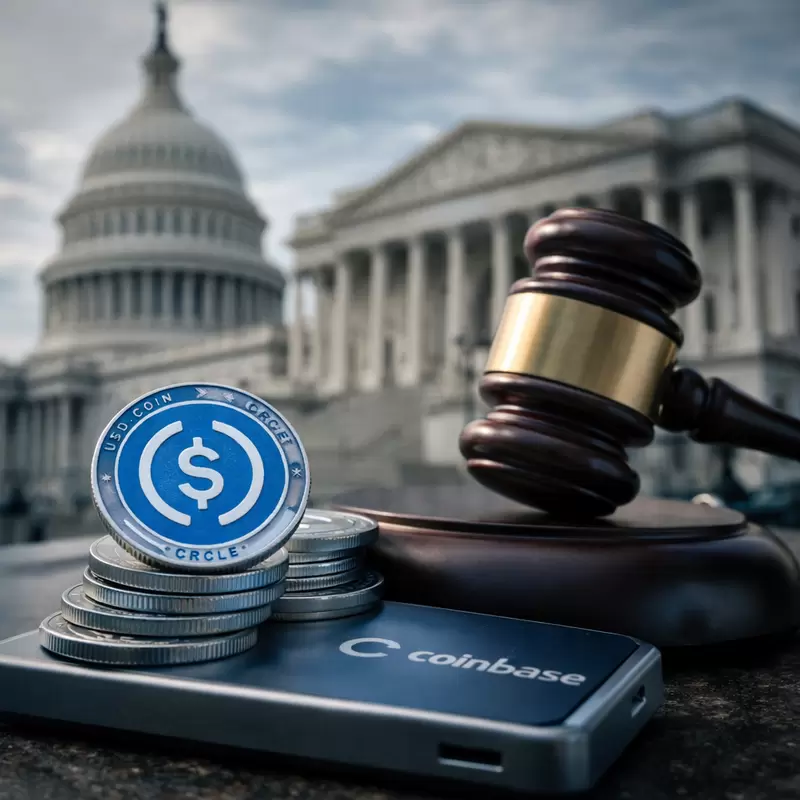
▲ Stablecoins, Cryptocurrency Regulation/AI Generated Image
Concerns are rapidly growing over the potential failure of year-end legislation, as the US cryptocurrency market structure bill (CLARITY), which includes key stablecoin regulations, is once again likely to be delayed in the US Senate.
According to cryptocurrency specialized media Cointelegraph on April 21 (local time), Republican Senator Thom Tillis proposed to Senator Tim Scott, Chairman of the Senate Banking Committee, to postpone the bill's review schedule from April to May. Tillis emphasized a cautious approach, stating, “It is important not to rush and to fully listen to the opinions of all stakeholders.” Tillis has been a key figure in coordinating differences between the banking sector and the cryptocurrency industry.
As the bill's delay prolongs, concerns are also increasing about the possibility of its passage before the November midterm elections. US Treasury Secretary Scott Bessent previously warned about the impact of changes in the political landscape on legislation, stating, “If Democrats gain control of the House, the momentum for negotiation could collapse.”
On the same day, The Digital Chamber, a digital asset lobbying group, sent a letter to the Senate Banking Committee urging them to proceed with the bill's review as soon as possible. Taylor Barr, Director of Government Affairs for The Digital Chamber, emphasized, “Clarity can no longer be delayed,” and “With over 70 million Americans adopting digital assets, regulatory clarity is urgent.” The House has already passed the bill with bipartisan support more than 270 days ago.
The core of the debate is whether stablecoins should offer returns. The banking industry fears that if stablecoins are allowed to offer interest or rewards, there could be a massive outflow of deposits. Regional banks, in particular, argue that they would struggle to handle fund outflows and would likely have to rely on high-cost external funding. In contrast, the cryptocurrency industry, including Coinbase CEO Brian Armstrong, is demanding more flexible regulations. Recently, a compromise was reportedly discussed that would allow rewards linked to cryptocurrency activities on third-party platforms but not apply them to simply held assets.
Even amidst legislative delays, some voices within the industry suggest that passing the bill first is more important than waiting for perfect conditions. However, with ongoing political conflicts and clashes of interests, the establishment of a digital asset regulatory framework in the United States remains uncertain.
*Disclaimer: This article is for investment reference only and we are not responsible for any investment losses based on it. The content should be interpreted for informational purposes only.*
Newsletter
Get key news delivered to your email every morning
to leave a comment.