
to leave a comment.
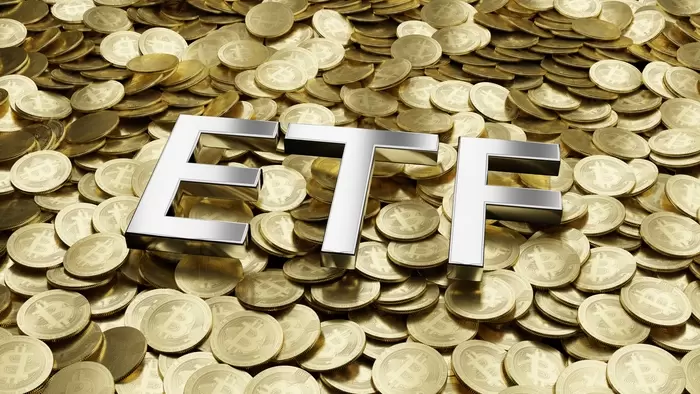
▲ Bitcoin (BTC) Exchange Traded Fund (ETF) ©CoinReaders
The U.S. Bitcoin spot ETF market achieved its largest monthly fund inflow of the year in April, proving explosive demand from institutional investors. With Bitcoin, the leading cryptocurrency, achieving remarkable growth based on strong upward momentum, the future direction of the market is expected to be determined by the sustained inflow of institutional funds.
According to crypto-focused media outlet Finbold on May 1 (local time), an analysis by virtual asset data platform SoSoValue showed that U.S. Bitcoin (BTC) spot ETFs recorded a net inflow of $1.97 billion in April. As a result, the total value of assets held by these funds swelled to $100.54 billion as of May 1.
The inflow increased by $650 million, a 49.24% rise compared to the previous month. These funds absorbed $3.29 billion worth of assets over the past two months, and the cumulative net purchases since the beginning of the year amounted to approximately $1.47 billion as of the time of reporting.
The main driver behind this stellar April performance was BlackRock's iShares Bitcoin Trust (IBIT). This product alone attracted a massive net inflow of approximately $2.01 billion in April, boosting its assets under management to $61.91 billion.
The resurgence of institutional demand through Bitcoin spot ETFs strongly supported the cryptocurrency market's bull run in April. Bitcoin's price rose by 12.64% over the past 30 days, trading around $77,300 at the time of reporting, and its market capitalization surpassed $1.5 trillion as of Friday.
However, signs of a trend reversal have also been detected, with selling pressure emerging, particularly among U.S. investors, during the last two weeks of April. Amid a declining trend in spot trading volumes across all exchanges, the price movement in May is expected to depend absolutely on the fund flows into spot ETFs. If fund inflows continue, the bullish outlook will gain strength, but in the opposite scenario, downward pressure will be difficult to avoid, according to analysis.
*Disclaimer: This article is for investment reference only, and we are not responsible for any investment losses based on it. The content should be interpreted for informational purposes only.*
Newsletter
Get key news delivered to your email every morning
to leave a comment.