
to leave a comment.
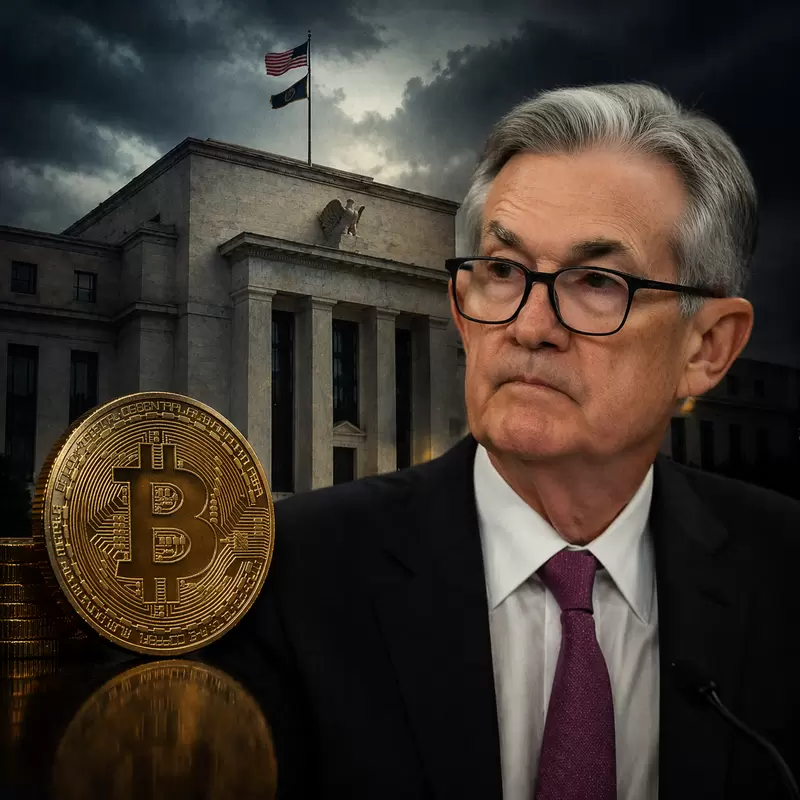
▲ Jerome Powell, Bitcoin (BTC)/AI generated image
Warnings have been raised that the interest rate cut expected by the market could actually trigger a recession, due to the overlapping factors of Federal Reserve Chairman Jerome Powell's potential retirement, political pressure, and energy price variables.
On May 1 (local time), Benjamin Cowen, founder of IntoTheCryptoverse, stated on his YouTube channel that the independence of the Federal Reserve is facing a serious threat. He pointed out that the administration's demand for interest rate cuts and pressure on Fed officials is a dangerous sign that could undermine institutional trust. While Chairman Powell has so far adjusted policies to achieve a soft landing, there are concerns that policy direction could be distorted if political intervention intensifies.
Geopolitical tensions in the Middle East are also burdening interest rate policy. Rising energy prices are identified as a key variable that maintains inflationary pressure and delays the timing of interest rate cuts. The timing of interest rate cuts, originally expected in early 2026, has been suggested to be pushed back to late 2027. The market believes that a shift to an accommodative monetary policy will not be easy unless factors stimulating inflation are resolved.
It was also emphasized that interest rate cuts do not immediately lead to an easing of financial conditions. While the Fed can adjust short-term interest rates, long-term interest rates, such as 30-year Treasury yields, are determined by market expectations. In fact, there have been instances where long-term interest rates rose even during past interest rate cut cycles, which is interpreted as reflecting market concerns about re-accelerating inflation. Analysis suggests that long-term interest rates can only stabilize when concerns about employment slowdown and recession become more prominent.
Cowen referred to the past resignation of Securities and Exchange Commission (SEC) Chairman Gary Gensler, pointing out that while policy changes may appear positive for the market in the short term, they can lead to negative long-term consequences. He explained that at the time, the market reacted to expectations of deregulation, but later, side effects such as a shake-up in overall industry confidence emerged. Powell's departure could also be interpreted as a short-term positive, but there is a warning that it could increase structural risks.
The current economic situation is assessed as failing to balance between stability and recession. Rising energy prices have historically served as a signal for shifts in the economic cycle, and there are predictions that the likelihood of a hard landing could increase if policy uncertainty expands under a new Fed chairman. Market vigilance is growing given that the risk of recession could materialize if interest rate cuts are delayed.
*Disclaimer: This article is for investment reference only, and we are not responsible for investment losses based on it. The content should be interpreted for informational purposes only.*
Newsletter
Get key news delivered to your email every morning
to leave a comment.